Herbs that will survive the winter outside
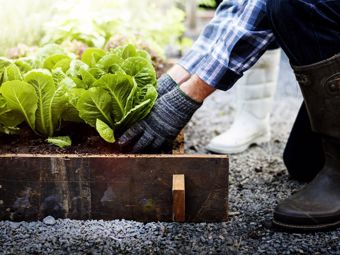
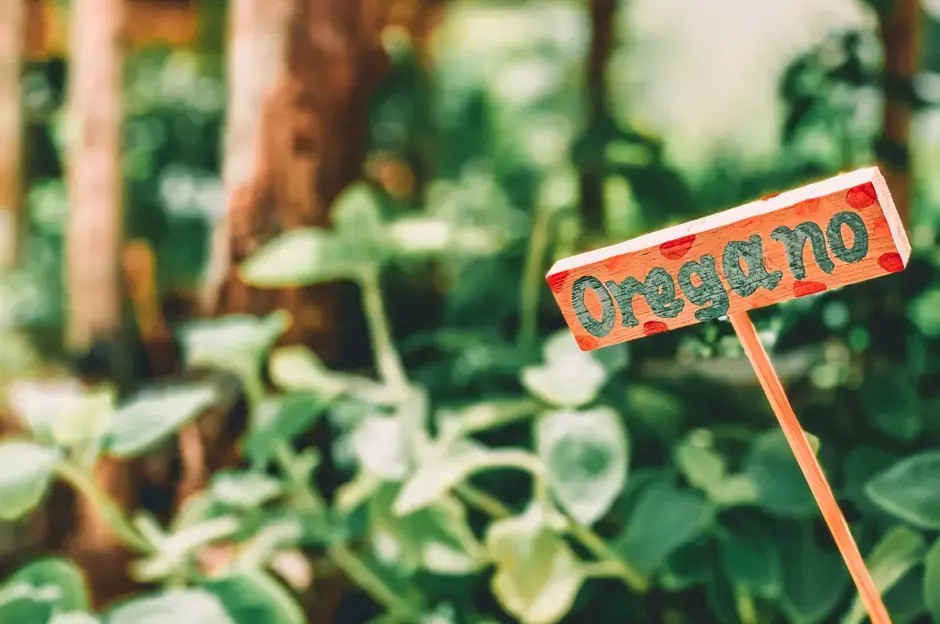
Most herbs are largely resistant to cold and will handle overwintering outside, but there are a few simple ways to help them. Bark mulch spread around the plants will retain moisture and protect the roots from frost. You can also cover the herbs by non-woven fabric, fir twigs, straw, or dry leaves. Snow is a natural insulating cover in the winter, and you can gather it up to the plants from the surroundings.
Herbs growing in containers are prone to frost penetration due to an insufficient layer of soil around the roots. If possible, you can embed the flower pots in the ground before the winter – otherwise, insulate the bottom and walls of the containers by polystyrene or bubble wrap. You can add a jute bag or a reed mat as a top layer for additional insulation and a more attractive appearance. If it is not freezing, the herbs will need occasional watering, so that the root ball does not dry out.
Hardy herbs
- Mint
- Chive
- Parsley
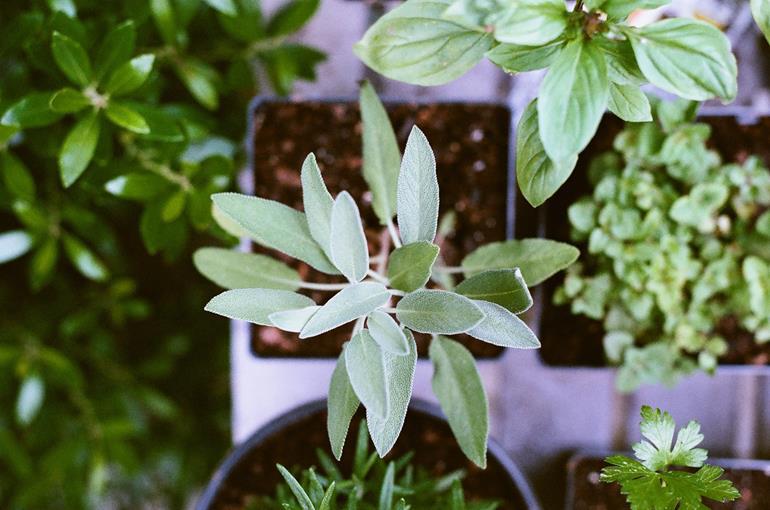
- Sage
- Lovage
- Balm
- Oregano
- Tarragon
- Winter savory
- Lavender
Herbs that are better off overwintering indoors
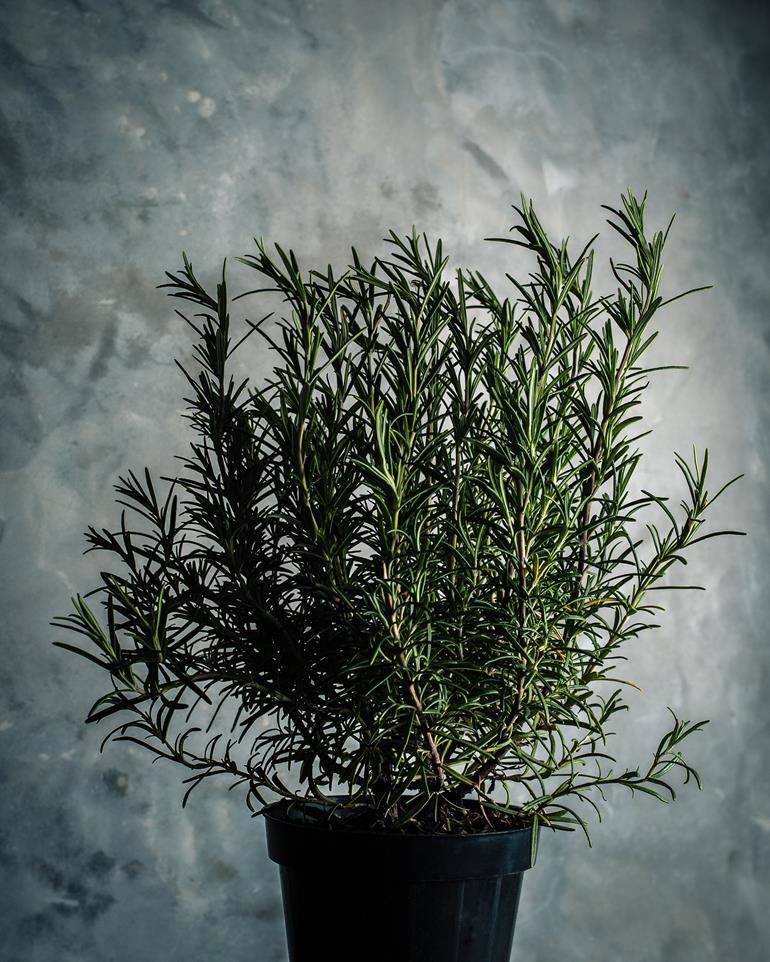
Some Mediterranean herbs, like rosemary and thyme, are less prone to frost – however, you can find their frost-resistant cultivars in garden centres. With good insulation, well-branched rosemary and thyme plants can survive the winter outside, but if you want to be on the safe side, move them inside.
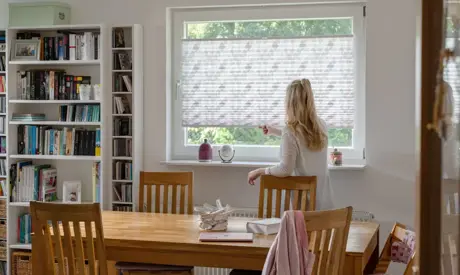
Inside, you can place flower pots with the herbs under the window: they will need sufficient light and constant temperature, ideally 10 to 20 °C. Water them once a week (the soil should always dry completely for a day or two); the higher is the room temperature, the more water should be used. Do not wait until the first frost to bring them indoors – the ideal time is just around the corner!
These plants need to be protected from frost:
- Rosemary
- Thyme
- Bay laurel (bay leaf)
- Myrtle
- Lemon verbena
- Lemon grass
Gather the annual herbs
Basil will not survive the winter, but you do not need to dispose of it all at once – if you place the flower pot in your kitchen, you will be able to cook with the fresh leaves for some time. You can also use fresh coriander in the same way. Dill can be frozen or pickled, marjoram and savory cut and dried – you can replant them all in the spring on your balcony or under a garden pergola.