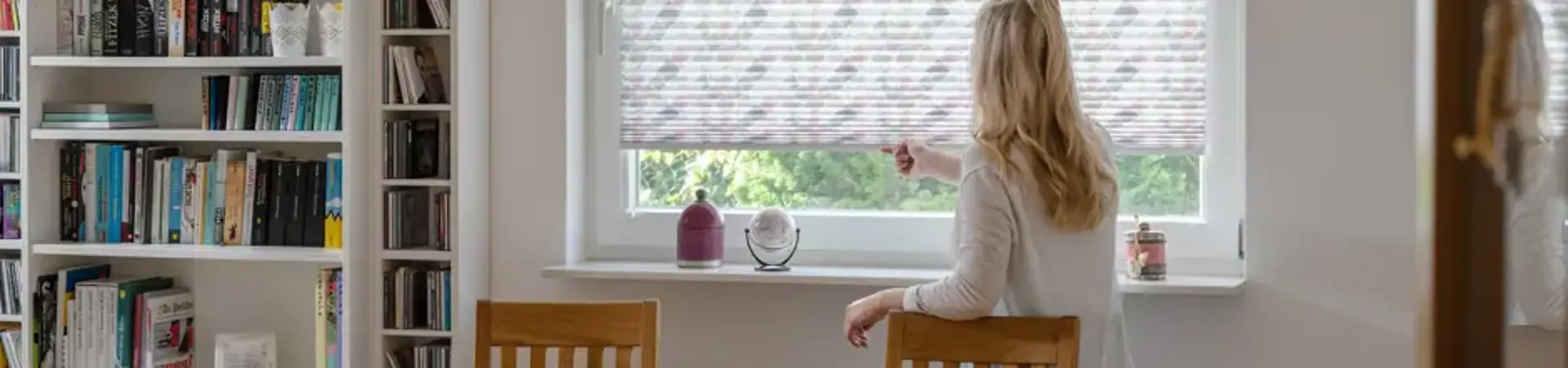
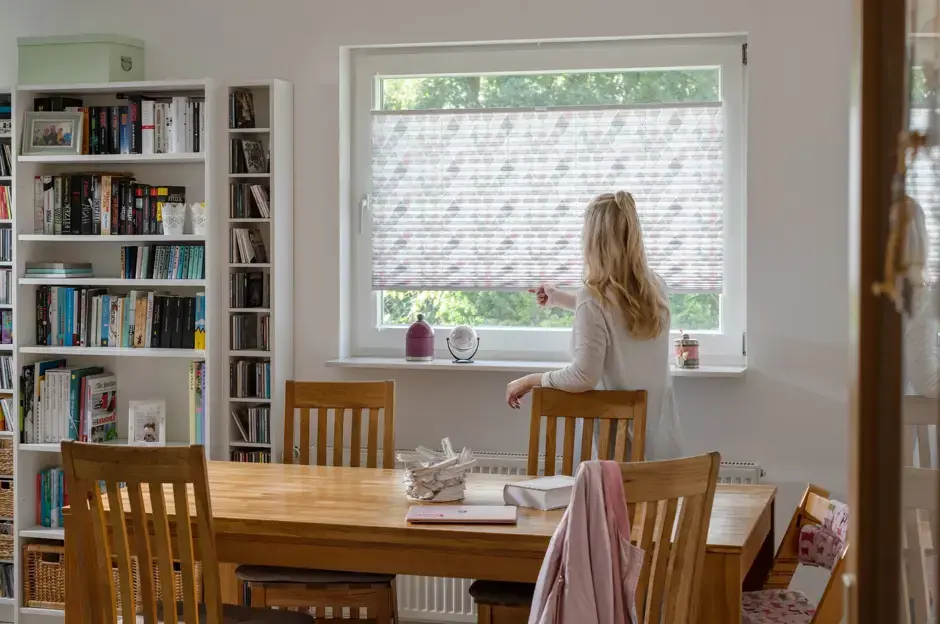
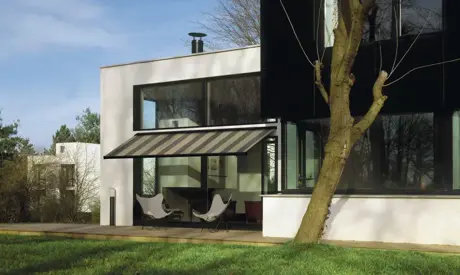
In the past, blinds served a purely practical purpose, but they have become a design feature that aesthetically complements the overall character of an interior.
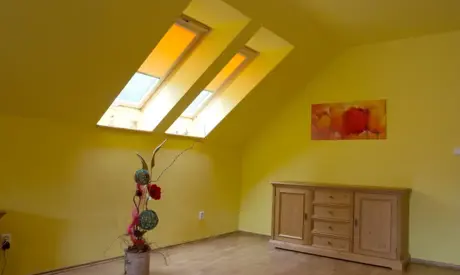
Living in an attic might be magical, but as soon as summer arrives, the harsh reality sets in. You can watch the beautiful sky from your bed, yet it may feel like lying in a sauna, because the sun is beating down directly through the roof windows. Shading, in this case, can do a great service, you just need to choose the right form.
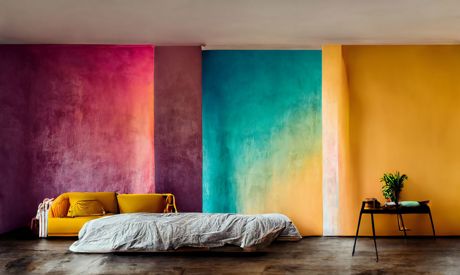
Colours have an extraordinary ability to influence our emotions, moods, and overall atmosphere of our living environment. In our shading products, we offer a wide selection of colour variations that not only protect from solar radiation and prying eyes, but can also have a significant impact on comfort in the interior.
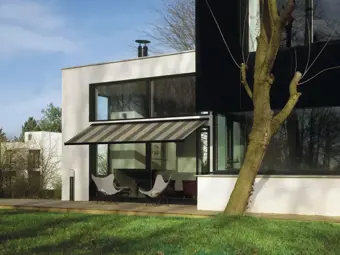
The first things we look at when choosing a new pergola or awning are usually its appearance and price. Yet there are few who think about how much work the maintenance will involve. No system can do without occasional care, as it has to withstand weather in all its forms, such as harsh sun, rain, and freezing temperatures, but also dust and pollen. And it will take its toll on it sooner or later.
Before it gets properly warm, we can tell that spring is on its way from the arrival of flies and other insects. And one has to be extra careful not to turn on the lights when airing the rooms in the evening. But there is another way – and you can be sure that buying an insect screen will significantly improve your quality of life. But how to choose the right one?