Eat Carrots
...but not only! Carrots help prevent vision degradation thanks to their beta-carotene and rhodopsin content. It facilitates vision in the dark, while beta carotene nourishes the retina. Of course, carrots or other vegetables won't rid you of dioptric defects, but a varied diet provides the body with the building blocks for healthy eyes and prevents type 2 diabetes. And it is diabetes that can cause vision deterioration, whether in the form of blurred vision, dots in the field of vision or unpleasant "flying flies". Therefore, pay attention to your diet, in addition to carrots, include fish, nuts, foods rich in protein and omega-3 fatty acids. Smoking also leads to deterioration of vision, mainly damage to the optic nerve or increased risk of cataracts.
Go to Eye Doctor and Avoid Accidents
Around the age of forty to forty-five, you should see your eye doctor once every three to four years. Later on, it is advisable to have your eyes checked more often, unless of course you no longer wear glasses or contact lenses. In this case, your ophthalmologist will usually keep an eye on you and invite you in as needed.
Certain activities carry an increased risk of eye injury. This is, for example, welding, mechanical machining during which chips fly off, or handling chemicals. Either avoid such activities or perform them in the safest possible conditions and use safety glasses or other eye protection.
Tired and Strained Eyes
The eyes also suffer from poor air quality or monotonous activity in which we look at the same place for a long time. Typically, it involves working at a computer. If you have such a job, remember to take breaks and apply the 20-20-20 rule: every 20 minutes, take your eyes away from the screen and focus on a more distant object (20 feet, which means 6 meters - something on the opposite wall of the room, for example) for 20 seconds.
Frequent ventilation and blinking, using an air purifier, or artificial tears help against excessively dry air. Also, make sure you have glasses or lenses with the right number of dioptres - over-strained eyes will tire sooner.
Oh, the Sunshine…

Dim light, having to constantly squint and focus to read or work, is not good for eyesight. But too much sunlight is also harmful. We must definitely not look directly at the Sun without special aids: just a few seconds of direct observation can irreversibly damage your eyes. Wear high-quality glasses with a UV filter or a hat or cap with a wide brim when outside.
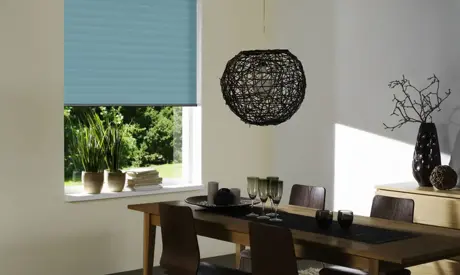
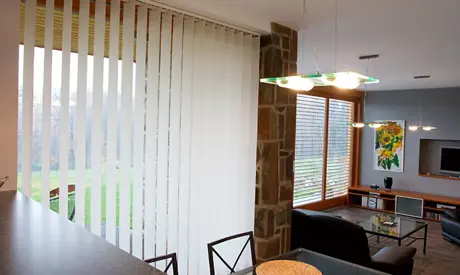
Are the persistent rays shining directly into your windows? Use one of the types of internal shading that diffuses sunlight. Elegant plisse, original Japanese walls, or interior roller blinds or vertical blinds allow you to have enough light at home for everyday activities while protecting your eyesight from damage.