Operation of old appliances
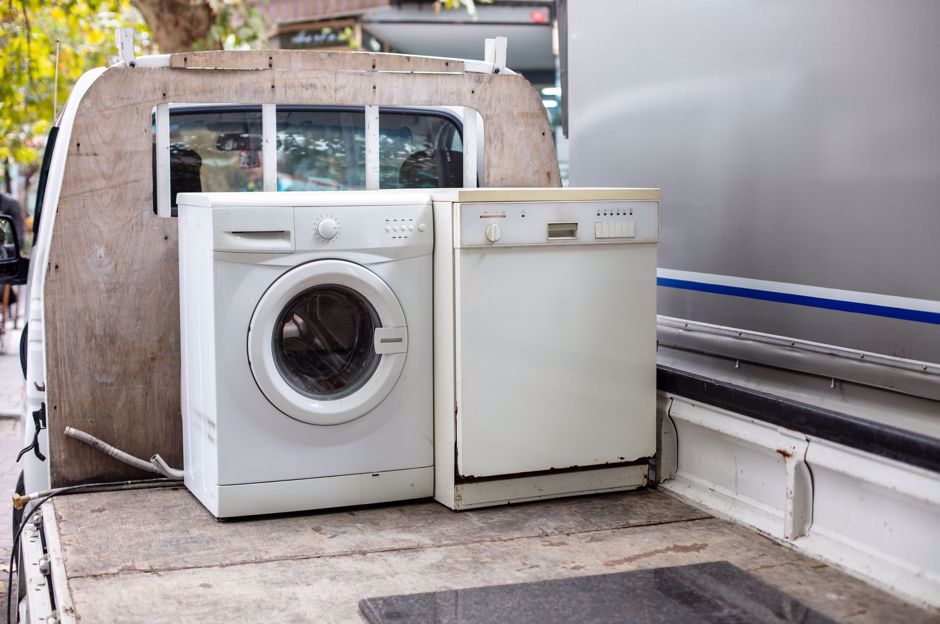
At first glance, it seems like an economical choice - not buying a new appliance and holding on to the old one as long as possible. The catch, however, is that the older the appliance, the more energy it consumes. For example, with a fridge, which accounts for about one-fifth of electricity consumption in most households, every percentage is noticeable. And the "appetite" of a twenty-five-year-old refrigerator can easily be three times greater than a new one with energy class A+ and better. Thus, the purchase of a new appliance will pay for itself relatively quickly, because you will save several thousand crowns a year with it.
Talking about fridge and freezer, the ambient temperature also matters - every degree from 20 °C upwards increases energy consumption by 6%. And that’s why it is advisable to place them in the coolest space, as far away from radiators, stoves, ovens or places heated by direct sunlight as possible.
Not sure how much your old refrigerator actually consumes? Try borrowing a meter from your electricity supplier. A quality supplier should also be able to advise you on the most advantageous tariff for your electricity consumption structure.
An old washing machine can also significantly increase your electricity costs. A new, more energy-efficient washing machine can help you save a lot of money. Choose an energy-efficient model from different price categories. Compare the consumption of different models in a washing machine test. Quality electricity supplier will advise you on choosing the right tariff and an energy-efficient appliance. Investing in a new washing machine is worth it.
Uneconomical programs
Only turn on the washing machine and dishwasher when they are full (you can easily tell this with a dishwasher; in a washing machine, this is usually about three quarters of the drum volume). Both appliances also have an energy-saving program – the dishwasher usually has a temperature of 50 °C, and you can wash most clothes in the washing machine at 30 °C with a clear conscience. This temperature, together with regular washing powder, can wash common dirt and kill 99% of bacteria. With energy-saving programs, you can save 25 to 50% of the regular consumption of your washing machine or dishwasher.
Although the refrigerator does not have programs, you can also play with the settings and not cool or defrost unnecessarily. The optimal temperature is +6 to +4 °C in the fridge, and -18 °C in the freezer. If you lower the temperature in the fridge from +5 to +3, consumption increases by up to 15%.
Unnecessary standby mode
You may not want to turn on the television every evening with the power switch instead of the button on the remote control. But do you need standby mode for other appliances as well? By turning them off "hard" you can save several hundred crowns a year.

Get extension cords with a switch - this way you can easily turn off several appliances at once.
Clothing instead of heating
Whether it's electricity, gas or other energy sources - heating is a big item in the energy budget. Try heating a little less in winter and simply wear an extra layer of clothing at home. You'll definitely notice it on your bill. You can find the range of suitable temperatures in individual rooms and other tips on how to save on heating in our article. It's also worth checking whether heat is escaping unnecessarily through cracks in windows and doors. We wrote about how to check the seals in the article Is there a draft in your apartment? You'll find practical advice on how to care for window and door seals and how to prevent heat loss.
Think twice about installing air-conditioning
When it's hot, air-conditioning is very pleasant. But also expensive: an air-conditioner can use as much electricity in a month as a good fridge-freezer combination in a year. And that's not to mention the purchase cost. However, there are techniques to cool your apartment with no air-condition unit and thus save money.
How to do without air-conditioning
- Ventilate, preferably with draft, the entire apartment after dark (or vice versa, soon after you get up)
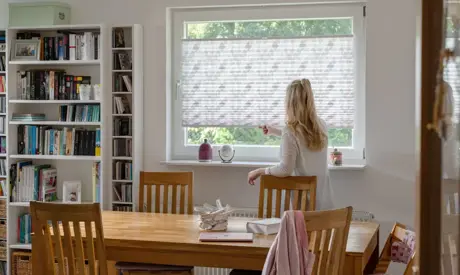
- Keep windows closed during the day and, if possible, draw the blinds
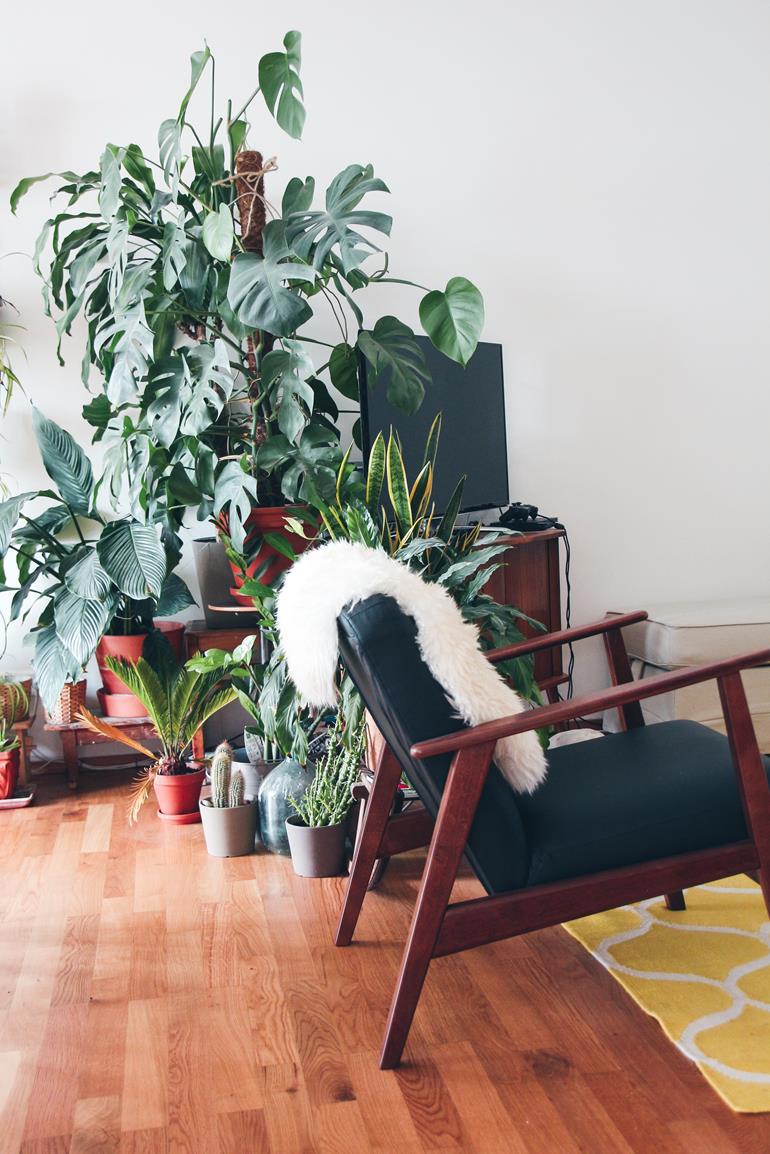
- Green plants help absorb sunlight - trees are especially effective, but climbers on the facade or houseplants will also help to some extent
- Water also cools: one effective trick is to hang wet, wrung-out curtains and let the moisture evaporate
- Flowing air, i.e. ceiling or table fans, will help in a sensory way
- Exterior blinds let in daylight and block out heat
Exterior blinds reflect almost ten times more heat than interior ones, while still allowing normal daylight into the room. Although closed exterior roller blinds also reflect sunlight, the interior remains dark at the same time, so it is more practical to use them instead of air conditioning only when we are not in the room during the day.