1. Interior aluminum blinds: An affordable classic
A classic that comes to mind when you think of shading. Aluminum horizontal blinds are one of the most affordable and versatile options. Thanks to the adjustable slats, they allow precise light control and are easy to clean. They are ideal for offices, kitchens and bathrooms, as they are moisture-resistant and have a long service life. Thanks to a wide range of colors and designs, they can easily be matched to the interior; the slats can even be coated with wood-like renolite.
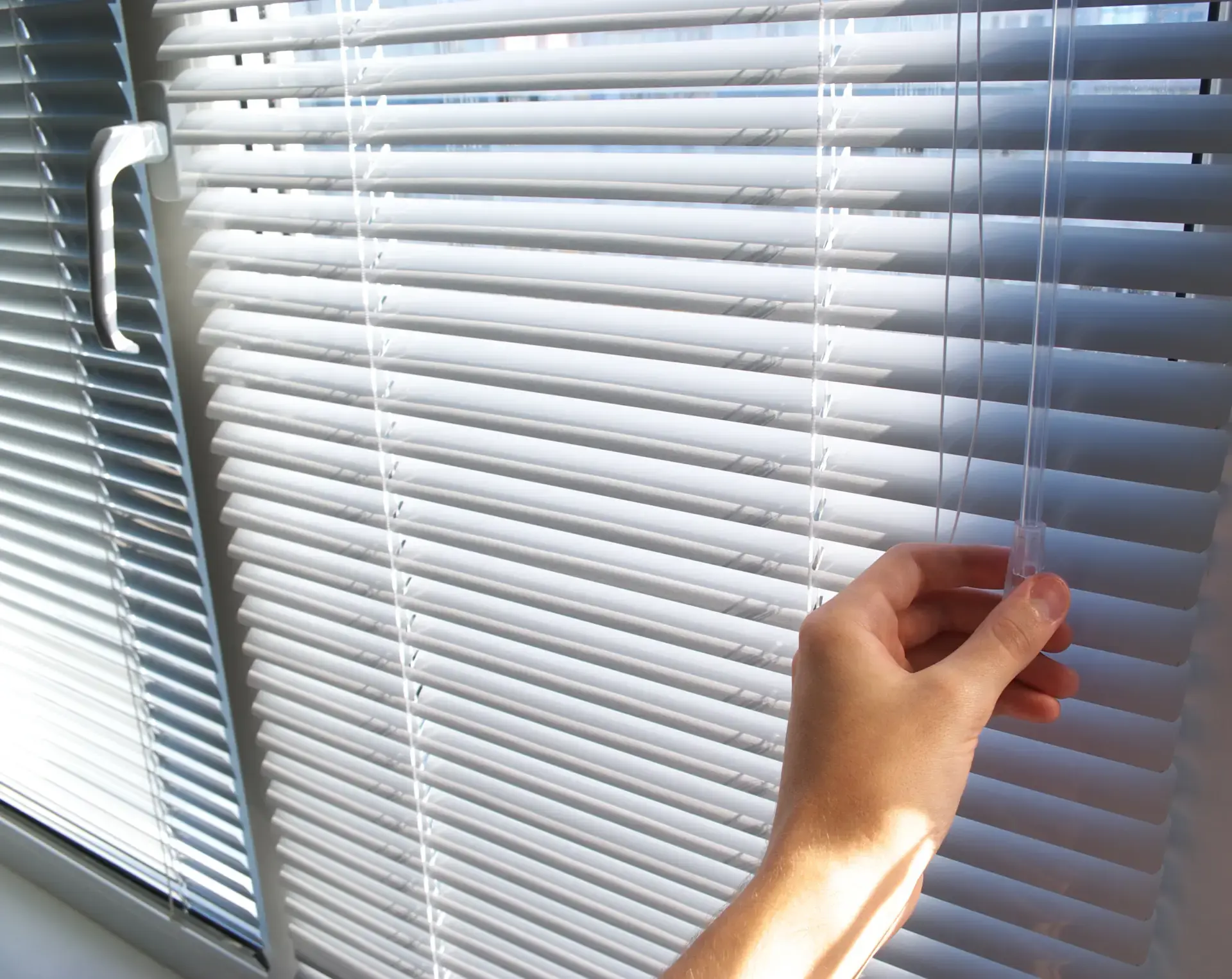
Suitable for: Kitchens, bathrooms, offices and regular living rooms.
Advantages: Durable, easy to maintain, wide range of colors.
Disadvantages: Children or pets can damage the slats, some interiors are more stylishly suited to other shading.
2. Vertical blinds: Ideal for large windows
Do you need to cover large glass windows or balcony doors? Consider vertical blinds. They are made up of vertical slats that can be rotated to different angles or completely moved to the side. This not only allows you to regulate the light, but also creates an elegant and modern look to the space. In addition, they help to visually enlarge the room and give it an airy feel.
Suitable for: Offices, living rooms, winter gardens.
Advantages: Elegant appearance, suitable for large areas.
Disadvantages: Not suitable for smaller windows.
3. Plisse blinds: A flexible solution for any space
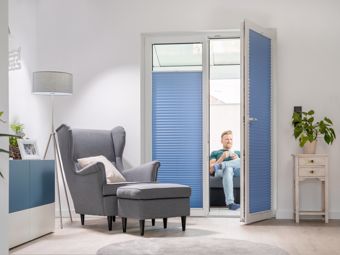
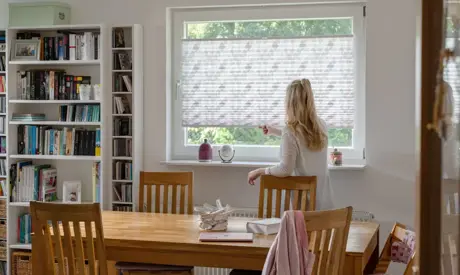
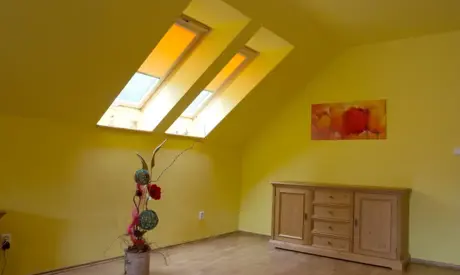
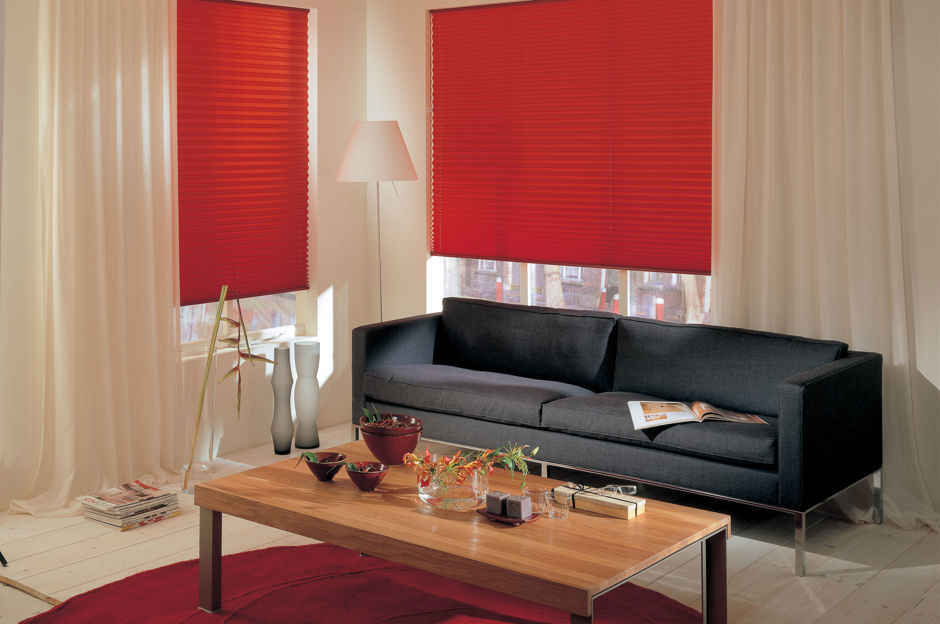
Plissé blinds feature a pleated fabric that allows not only the classic pull-down using the bottom profile from top to bottom, but also manipulation of the top profile. Thanks to this, you can let light into the interior through the upper part of the windows and smoothly regulate it without having to compromise on your privacy. They are a great choice for atypical windows, winter gardens or roof skylights. Thanks to a wide range of fabrics with different degrees of light transmission, you can create a pleasant environment exactly according to your needs.
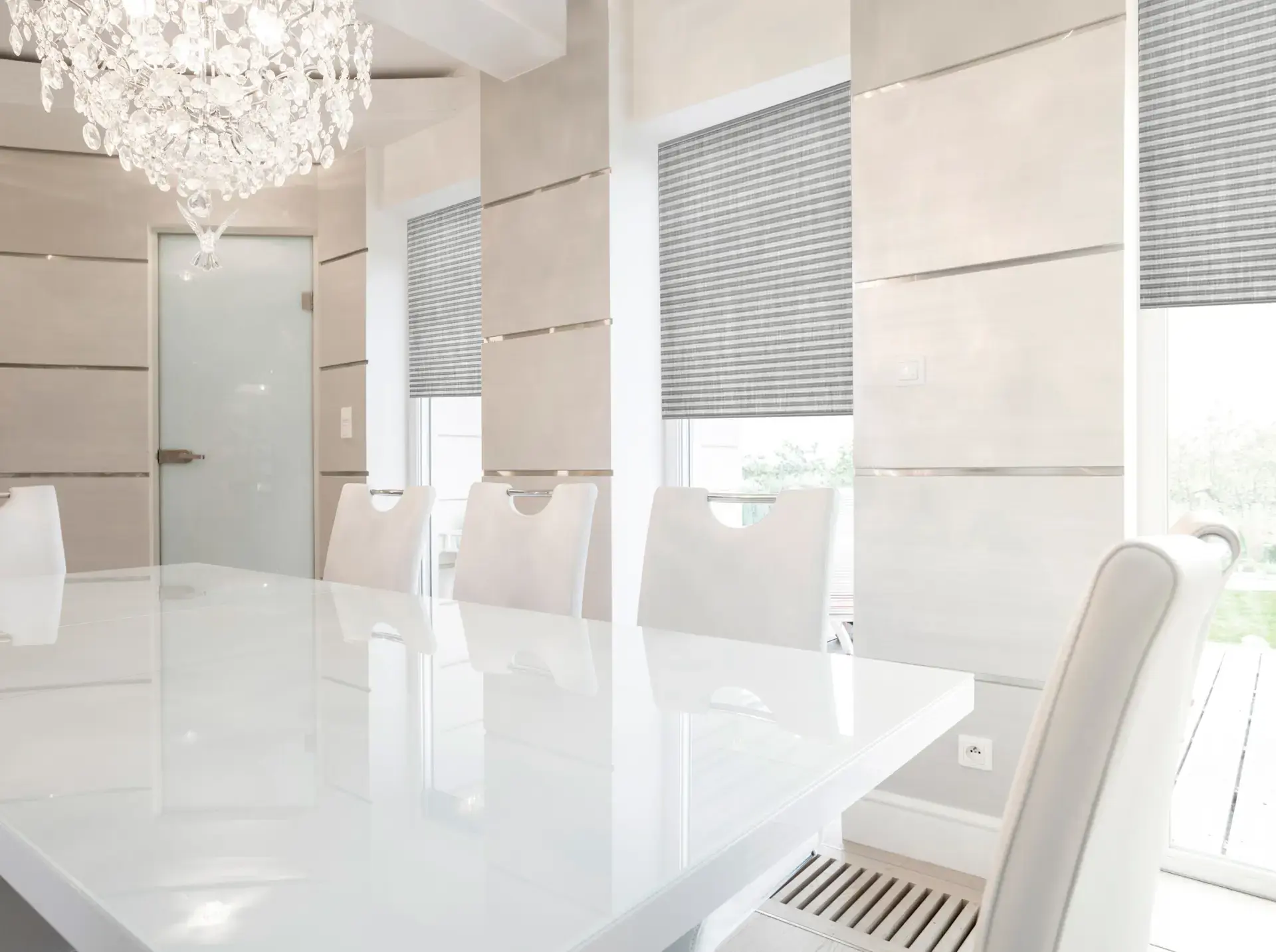
Suitable for: Atypical windows, roof windows, winter gardens.
Advantages: Possibility of pulling from above and below, elegant appearance, wide range of fabrics.
Disadvantages: You need to be careful about the fabric getting dirty.
How to choose?
- Functionality - Do you need precise light control (aluminum blinds) or rather a decorative element with pleasant light diffusion (plisse)?
- Window size - Aluminum or plisse blinds are ideal for small windows, vertical blinds are better for large glazed areas.
- Interior style - Simple aluminum blinds will fit into a modern interior, while plisse or vertical blinds will soften the space.
- Maintenance - Aluminum blinds can be wiped with a damp cloth, while fabric plisse and vertical blinds need to be careful of dirt.
Our tip
You can also consider the control some types can be controlled electrically and can be connected to a smart home system. However, all blinds allow you to smoothly regulate the light and also act as a stylish addition to the interior.