
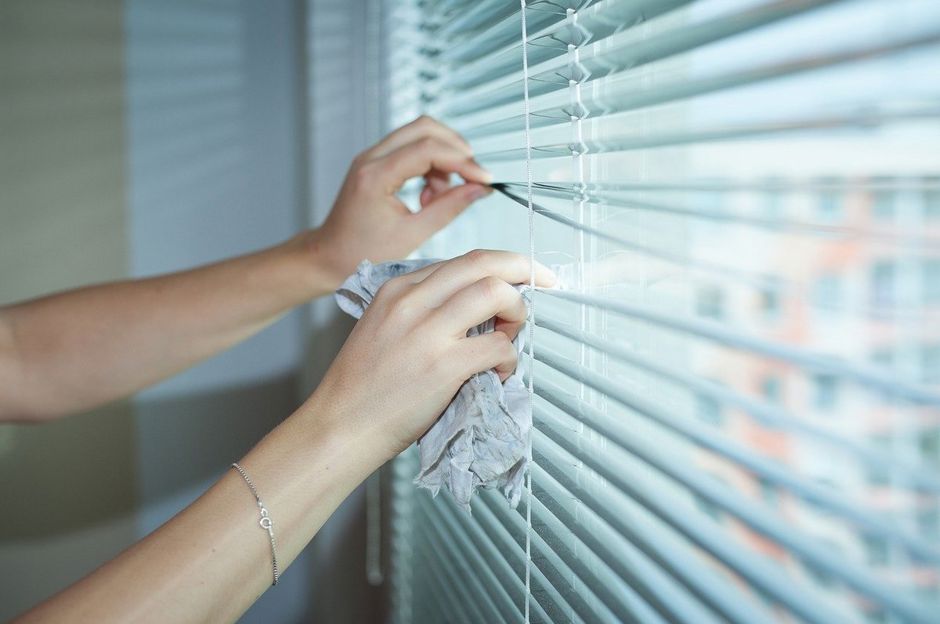
Why is it important to clean blinds regularly?
You may think that blinds are not a carpet and therefore do not require as much attention and care. However, the opposite is true. Dust, pollen and grease from cooking or heating settle on the slats almost constantly. If you neglect maintenance, not only will it be more difficult for you to clean them, but the dust will spread further around your apartment. If you are allergic, this can be especially unpleasant for you. In addition, when blinds get dirty, the whole room looks neglected.
How often do blinds need to be cleaned?
The frequency of maintenance depends on the environment where the blinds are located. In the bedroom or living room, wiping once a month is sufficient. In the kitchen or in households with animals, it is worth cleaning ideally once every 14 days. We recommend a thorough cleaning of all slats at least twice a year, for example in spring and autumn.
How to clean them?
Dry cleaning
For routine maintenance without major contamination, simple tools that you probably already have at home are sufficient:
- Duster - ideally made of microfiber, which will capture dust without swirling it into the air.
- Antistatic glove - put it on your hand and with one stroke you can wipe multiple slats at once.
- Special brush for blinds - has several gaps that will wrap around multiple slats at once, making your work faster.

When dry cleaning, keep the blinds pulled down and the slats slightly open so that they are parallel to the floor. Clean one side of the slats, then turn them over and clean the other side in the same way. Work from top to bottom to avoid spreading dust onto previously cleaned parts.
Wet cleaning
If your blinds are greasy, dirty or have fingerprints on them, it's time to use wet cleaning.
Follow these steps:
- Prepare lukewarm water with a mild detergent - a drop of regular dishwashing liquid is enough.
- Use a soft microfiber cloth that you soak and wring out well. Wipe the slats on both sides.
- Then wipe the blind with a dry cloth to remove any water that may remain on the slats, which could leave stains.
Be careful not to use too much water, especially with aluminium blinds, as water can leak into their mechanism. Plastic slats tend to be more resistant, but even here, less is more.
What to avoid when cleaning blinds?
When cleaning, avoid aggressive agents, abrasive sponges and scrubbing. We also do not recommend removing blinds from the window for soaking. The only exceptions may be some plastic variants, which can be completely removed and showered. However, aluminium and especially fabric blinds are at risk of deformation or a rusty mechanism.
It is always better to take care of blinds regularly than to neglect maintenance and later deal with ingrained filth and settled dust that is difficult to remove.
Tips for long-term cleanness
- Closed blinds = less dust - When you leave home, close the slats - this reduces the surface area on which dust can settle.
- Air the room before cleaning - Reduces the amount of dust swirled during the cleaning itself.
- Use a vacuum cleaner with a blind attachment - modern models often have a soft brush that you can use for the slats.
You don't have to worry about cleaning your horizontal blinds. At first glance, it may seem like this activity will take up a lot of time, but don't worry, it really won’t. If you follow routine, you can manage their maintenance quickly and with no stress. And most importantly, your blinds will last a few years longer, so you will save money as well.
Do you want to have blinds at home that will endure for years, beautiful and functional? Check out our website and choose which ones would suit your home best. If you don't know which blinds to choose for your home so that their maintenance is as easy as possible, don’t hesitate and contact us. We will be happy to advise and help you with the selection.