The danger of insect stings
In the Czech Republic, we need not worry about mosquitoes carrying malaria or the Zika virus, yet mosquitoes here can transmit other unpleasant diseases. One of them is Valtice fever, a viral disease transmitted by mosquitoes of the genus Aedes, named after the town of Valtice in the south of Moravia. It primarily affects children and occurs during the mosquito season, i.e., in the summer and early autumn. It causes a flu-like illness and is treated similarly: rest, plenty of fluids, and common flu medicines.
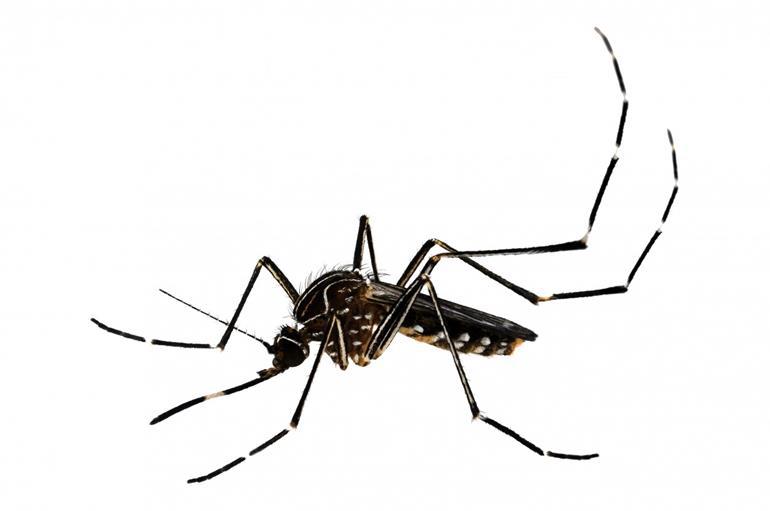
Aedes mosquito, source: glacvcd.org
Cases of West Nile fever, transmitted by the common house mosquito (Culex pipiens), were also recorded in our country. This disease causes not just fever, fatigue, headaches, and joint or muscle pain, but in the most severe cases, it can also lead to brain fever, paralysis, and even death. In rare cases, mosquitoes can also transmit Lyme disease through blood of an infected individual whom they have previously bitten.
Insects in households: diarrhoea and jaundice
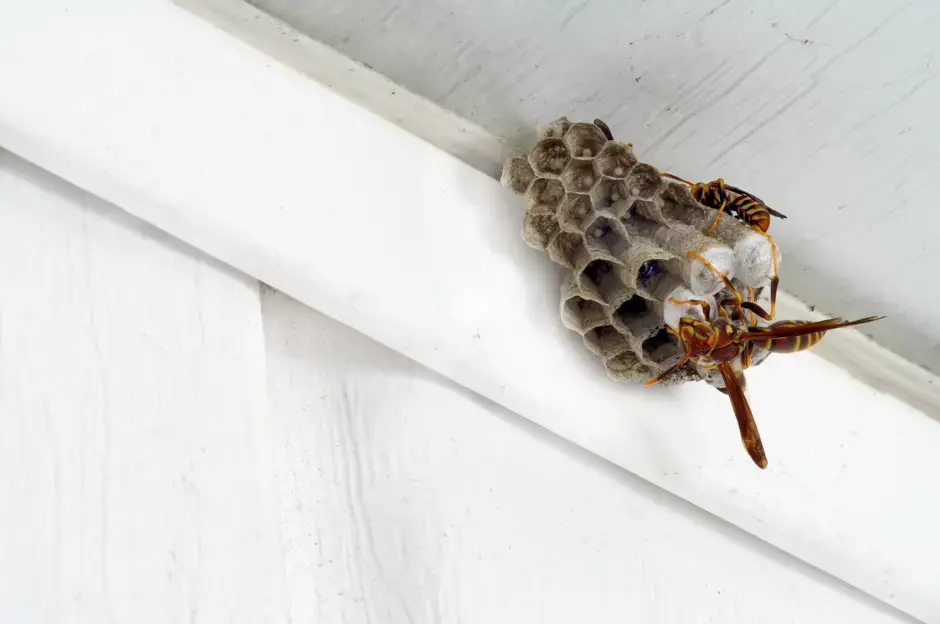
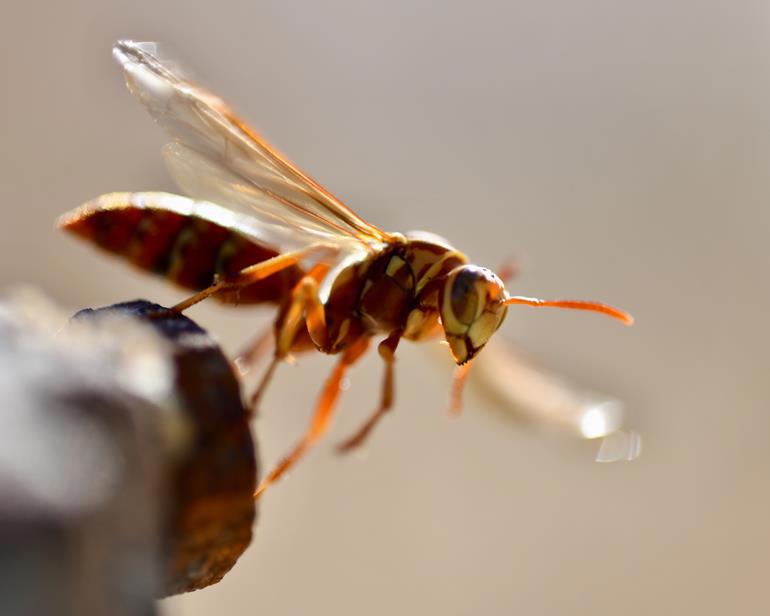
Apart from mosquitoes, wasps, and hornets, other insects can fly through windows and bite you, such as horse flies, deer flies, stable flies, and midges. It has been proven that midges and horse flies can transmit Lyme disease. Common houseflies that contaminate food left elsewhere in a household can cause indigestion or even hepatitis A. Recently, a hairy fly Clogmia albipunctata, known drain fly, was found in our country as an invasive species. It often breeds in waste water and its larvae parasitise the bodies of domestic animals and humans.
When bitten by an insect, it is recommended to disinfect the bite area, treat it with topical anaesthetic gel (e.g., Fenistil), and try not to scratch the bite to prevent introduction of an unpleasant secondary infection into the wound. When bitten by a bee, wasp, or hornet, you can alleviate the pain by applying a sliced onion or a paste made from baking soda and water.
Insect screens for windows
It is, of course, ideal not to be bitten in the first place and prevent any potential transmitters of diseases from entering the room. If you want to still enjoy fresh air, the best solution is installing an insect screen. If you have windows without drip moulding, the type C screens with rotary clamps are the best solution, as their installation does not require any drilling or other work on the window frame. The aluminium frame is available in colours from the RAL colour chart, in faux wood, or they can be coated by Renolit film. Type E screens that require drilling to the window frame are suitable for windows with drip moulding and older types of windows. The screen frame is also made from aluminium in RAL colours or in faux wood.

There are even roller-type insect screens – vertical (type G10) and horizontal (type F10) – which you can install to the window frame, double-sashed window, or balcony door where you need to roll the screen up and lock it at any position from time to time. The extruded aluminium frame in any RAL colour slightly interferes with the window clearance and requires minor work on the window frame. In turn, a roller screen will allow you to access the window sill easily whenever you need to.