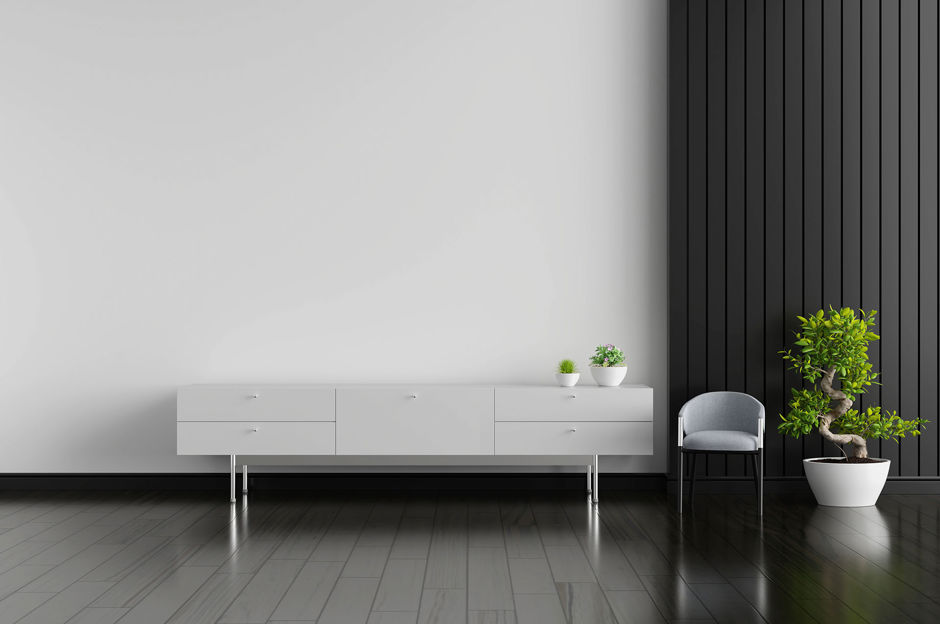
Minimalist interiors are more than just a “trend”
Minimalist interiors appeal to us not only because of their simple and straightforward aesthetics but especially because of their functionality and the sense of mental peace they bring. A clear, uncluttered space helps us concentrate better, reduces stress, and simplifies everyday life. And this doesn’t mean you must immediately throw out half of your belongings. Minimalism is a process in which you consciously choose what stays in your space and what you can live without.
You likely know the feeling: you’re trying to work or relax, yet you keep noticing a pile of clothes, an overflowing shelf, or the infamous “drawer of doom” where everything gets thrown. Minimalism isn’t about perfection—it’s about gradually reducing these clusters until your home starts to reflect the way you want to live, rather than the number of items you can squeeze into it.
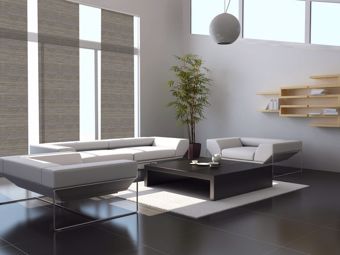
Minimalism also does not mean a cold or sterile space. Quite the opposite: once you remove the excess, quality materials, pleasant colours, textures, and personal touches—like family photos, favourite artwork, a comfy chair by the window, or high-quality curtains or Japanese panel walls—begin to stand out.
Japanese minimalism
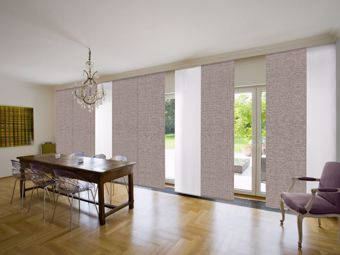
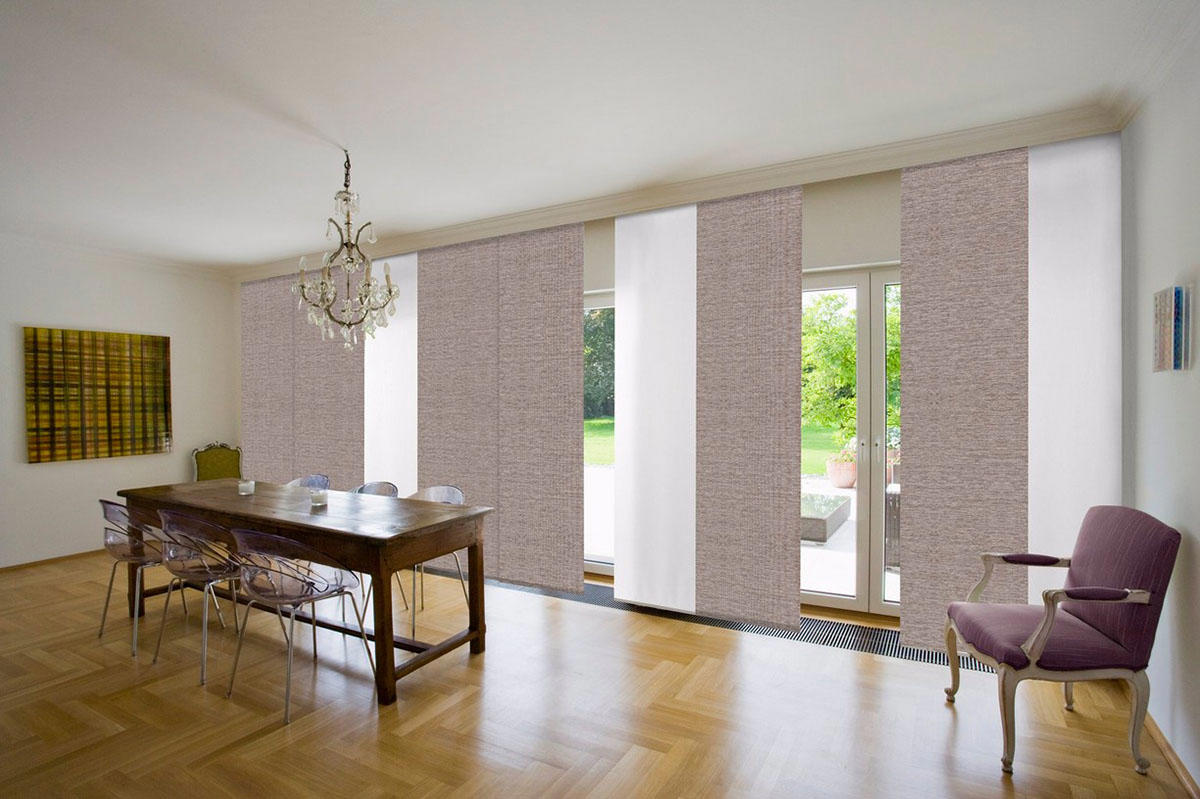
Japanese culture has long been connected with minimalism. Traditional Japanese interiors contain very few items and minimal storage. Sliding panels—Japanese blinds or panel walls—often play a key role. Japanese panel walls are an excellent example of how to combine functionality with clean design and how to work efficiently with space. They can be perfectly incorporated even into Central European interiors because they come in a wide variety of designs. And unless that’s your intention, they don’t have to resemble a space for a tea ceremony at all.
In traditional Japanese homes, the central concept is ma—the empty space between things. It’s not “emptiness,” but a kind of breath within the interior. We often tend to fill every corner with furniture or decorations, while Japanese minimalism allows the space to breathe. And this is exactly where shading systems like Japanese panel walls excel: they allow you to divide a room into zones without overwhelming it.

How Japanese panel walls support minimalism
Japanese panel walls are fabric panels on a ceiling- or wall-mounted track that can be easily slid. Thanks to this, you can:
- separate different functional zones, such as a workspace in the living room or a wardrobe area in the bedroom
- hide storage areas like built-in wardrobes, shelving, or technical spaces
- control light—depending on the material and colour, panels let light through or soften it
- support a simple design—large, flat surfaces without unnecessary details create a clean, tidy look
The combination of simple furniture, muted colours, and well-designed shading creates a balanced, calm, and cosy interior.
Start with minimalism step by step
First, the bad news: minimalism requires decluttering. Minimalism and overcrowded spaces are complete opposites. The good news is that sorting through things doesn’t have to be as difficult as it seems. You just need to proceed systematically and appreciate small victories.
Minimalism is a long-term change, not a one-time “cleaning frenzy.” You don’t have to finish the entire home in a single weekend. Often, it’s better to go slowly: room by room, cabinet by cabinet. It also helps you adjust to new habits: fewer items, but of higher quality and chosen with intention.
How to declutter effectively
Go room by room—or in large spaces, drawer by drawer. Always create three piles and assign each item to one: keep, sell/donate, throw away/recycle. Don’t fall for the classic trap, “I might need this one day.” These rules can help:
- Have I used it in the last two or three years? If not, it probably doesn’t need to stay.
- Marie Kondo’s well-known approach: Does this item bring me joy? If yes—keep it. If not—let it go. Naturally, essential items are an exception.
- One in, one out — every new item must replace another.
- Ban duplicates! Most items do not need multiple copies. How many bathrobes, mops, or baking tins can you use at once?
Once you complete this process, it’s the perfect time to rethink how you want to use your space and how smart furniture arrangement and shading can help.
Minimalism in individual rooms
Living room
The living room is often the most crowded space. It may include tables, shelves, display cabinets, a TV stand, a workspace, a play area… A minimalist approach might include:
- keeping just one dominant seating element (a comfortable sofa) and at most one armchair
- reducing small decorations and replacing them with a few larger, high-quality pieces
- avoiding heavy curtains; instead choose clean fabric blinds, Japanese panel walls or shutters that highlight the light and view
- if you have a workspace in the living room, separate it with a Japanese panel wall—after work, simply slide it closed to disconnect visually
Bedroom
Minimalism in the bedroom has a major impact on sleep quality. Less visual clutter = fewer stimuli before bedtime.
- hide clothes in closed wardrobes—open shelves create a messy look
- if you don’t have a built-in wardrobe, you can hide it with a Japanese panel wall
- choose soft colours and gentle materials
- for shading, opt for fabrics that darken the room or strongly soften streetlight
Kitchen and dining area
A minimalist kitchen doesn’t mean cooking less—quite the opposite. When everything has its place and the worktop isn’t cluttered, cooking becomes easier and more enjoyable.
- keep only daily-use items on the countertop
- fill open shelves sparingly to highlight beautiful dishware
- if the kitchen is connected to the living room, Japanese panel walls or sliding panels allow you to separate the dining area or hide the workspace when guests arrive
How shading supports a minimalist interior
Minimalism is not just about fewer objects. Light plays an enormous role, both during the day and in the evening. Properly chosen shading can soften the interior, unify it, and give it a calm, Japanese-inspired atmosphere.
Japanese panel walls as both practical and decorative
Besides zoning a room, Japanese panel walls work well as an alternative to curtains and drapes. Unlike them, they create flat, straight surfaces without folds, visually calming the space. You can choose:
- light, solid fabrics for an airy, clean feel
- natural tones (beige, sand, light grey) that match wood, concrete, and modern kitchens
- decorative panels with subtle patterns—just one can become a gentle focal point
Other shading options for minimalist interiors
Other modern shading solutions also work well with minimalism:
- fabric blinds – simple, functional, ranging from sheer to blackout
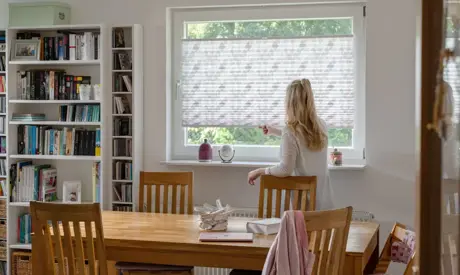
- pleated blinds – great for unusual window shapes or winter gardens
- horizontal and vertical blinds – in neutral colours, they appear elegant and minimalist
A clear colour concept is important: fewer colours and patterns, but high-quality and well-coordinated.
Minimalism as a lifestyle, not just a trend
If the idea of having fewer things at home appeals to you but you’re unsure whether minimalism is “for you,” remember: it’s not a competition to see who has the emptiest home. It’s about consciously deciding what you allow into your home—and what you don’t.
Minimalism may simply mean that you:
- think twice before each new purchase
- choose quality over quantity
- maintain basic order in storage areas
- use space in a way that supports your daily routine
Japanese-inspired minimalism and the use of Japanese panel walls or other shading systems can significantly support this shift. Your home will become clearer, more functional, and still personal—not sterile like a catalogue display.
A minimalist interior won’t solve all your worries, but it can become a stabilizing point in a busy life. When there are fewer things and everything has its place, it’s easier to clean, work, relax, and spend time with loved ones. Japanese inspiration, sliding panels, and thoughtful shading can be key tools to achieving this.
If you're considering how to bring a minimalist approach into your own interior and which Japanese panel walls, blinds, or shutters would suit you best, contact our company ISOTRA. We’ll be happy to answer your questions and help you choose.