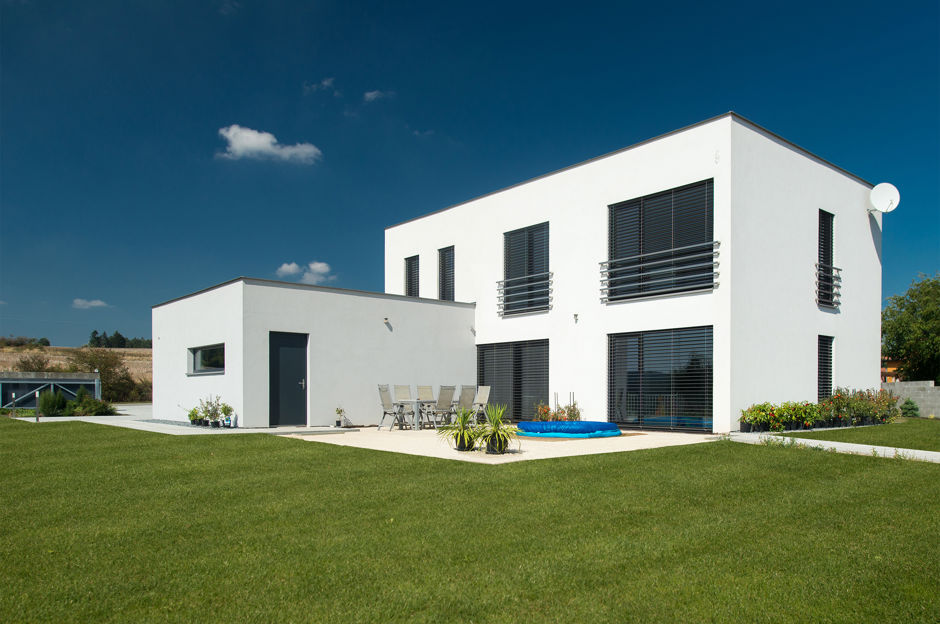
Exterior shading is a part of the house sheathing, no way an accessory that can be added at any time. It requires preparing space for boxes, routing cables and harmonizing with the architecture of the house. The right timing can save thousands of pounds and prevent compromises such as a visible box or additional installation of exterior shading.
When to consider exterior shading according to the construction phase
Project phase / house design
The perfect time to start thinking about exterior shading is already within the project stage. This is where the decision is made whether exterior blinds, exterior roller shutters or screen roller shutters will be installed – and this also includes the space for a box for exterior blinds or a roller shutter.
Project architect can design a solution that fits into the facade and does not affect the thermal bridge or aesthetics. In cooperation with the supplier of shading technology, the method of installation (over-window, under-plaster, self-supporting) and the type of control - manual or motorized - can be decided in advance.
Shell construction
Within the shell construction, it is time to prepare the electrical installation for motorized control. If, for example, you are planning remote-controlled exterior roller shutters, it is necessary to lay cables for powering the motors, or possibly a data line for the central system, into the masonry or lintel.
Experienced companies recommend immediately distribute wind and sun sensors that can automatically respond to weather. This makes the system work independently and contribute to energy savings and living comfort.
Before insulation and facade
This phase is the key for installing boxes and guide rails. Right now, the exterior shading and the house starts to be interconnected - both technically and visually. The boxes are incorporated into the facade so that they do not appear distracting after the insulation is completed and the whole remains clean and compact.
At the same time, it is a good time to fine-tune the colour of the slats and match them with the windows and the facade. This is because the final appearance of the house is completed at this stage, where aesthetics and functionality are combined.
When the facade is completed
Only now does the installation of the shading itself come. If everything has been prepared correctly, the installation will be quick and clean. If you have left the preparation out, it is possible to solve the exterior blinds with additional installation. However, this tends to be more expensive and requires compromises - the box remains visible and it is not always possible to maintain ideal wiring.
Additional installation is often used in reconstructions where it is not possible to interfere with the facade, or when adding exterior roller blinds to a balcony or screen roller blinds to a terrace.
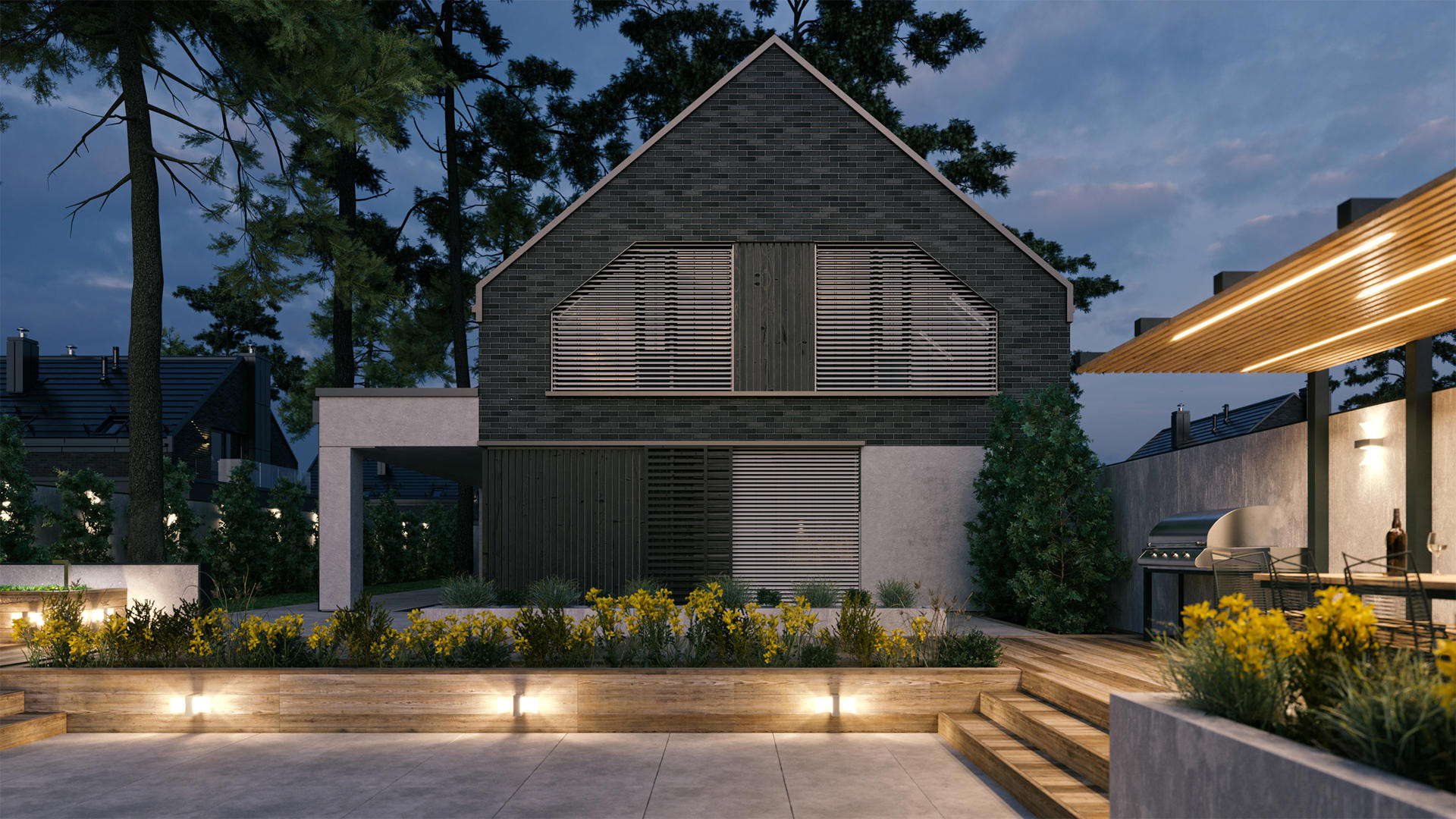
The most common planning mistakes
- The box is not solved in time → the result will disrupt appearance of the facade and limit the space for the window.
- No preparation of electrical installation → motor control then requires cutting into finished walls.
- Additional installation with no consultation → higher costs and shorter system expectancy.
All this can be avoided if the exterior shading is consulted when designing the house.
Summary and recommendations of ISOTRA
Project stage is the best time to start solving exterior shading. This is when you can prepare boxes, wiring and correct connection onto and into the facade, and the result is clean technical and aesthetic solution.
At the same time, however, there is always a suitable way to install exterior shading at every stage of construction, whether it is a shell construction, period before insulation or reconstruction of a finished house.
In these situations, professional consultation is crucial - ISOTRA experts can design the optimal solution according to the state of construction of the house, the type of facade and control requirements.
Contact ISOTRA experts to get a shading design that is technically feasible, aesthetically enjoyable and tailored to your specific project.