Why does the sunroom overheat in the summer?
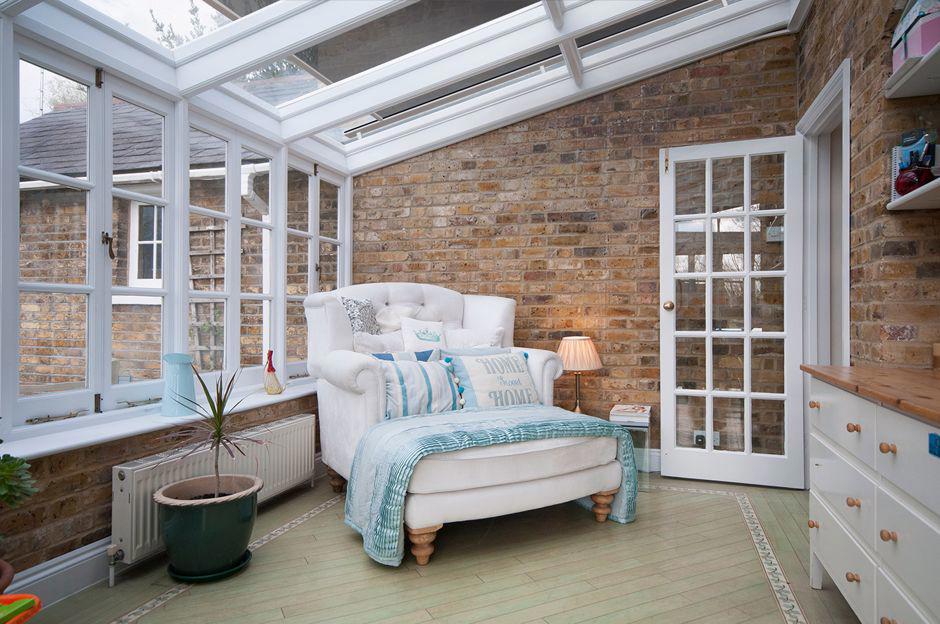
The sunroom in the summer is like getting into a warm car – it may be thirty degrees Celsius outside, but inside, you feel like the temperature is several times higher. And it is similar with a sunroom. The sun’s rays pass through the glass and into the room, heat the floor, furniture, and air, but the heat will not escape. The temperature rises much faster than in other rooms. Contrary to what many people think, the biggest source of overheating is not the side windows, but primarily the glass roof.
The consequences tend to be quite unpleasant:
- The sunroom becomes difficult to use in the afternoon,
- Flowers are really suffering from the high temperatures,
- The furniture and floors gradually lose their original appearance due to UV radiation.
Sunroom orientation
Each sunroom has its specificities. Two sunrooms may look alike, but they will “behave” differently during the summer. The orientation relative to the cardinal directions is important. If your sunroom is facing south or west, you will have a hard time shading the place in the summer. That is because the sun is strongest there and the heat is at its worst. Sunrooms facing east perform best in this regard.
While it is enough to shade only part of the roof of certain structures, you need to cover a larger area in others due to their orientation relative to the cardinal directions. Many people wrongly assume that it is necessary to shade every millimetre of glass. In fact, you will get the best results by focusing on the specific parts of the structure that receive the most direct sunlight during the day.
Sunroom shading options
The main difference is between the interior and exterior sunroom shading. Scientific studies show that if the main goal is to reduce overheating, it is usually more effective to block the sun before it reaches the glass. Therefore, exterior systems are usually the most suitable solution.
But this does not mean you should abandon the interior option altogether, as it minimises glaring, increases privacy, and makes the stay in the sunroom more pleasant. It is therefore best to use a combination of internal and external shading.
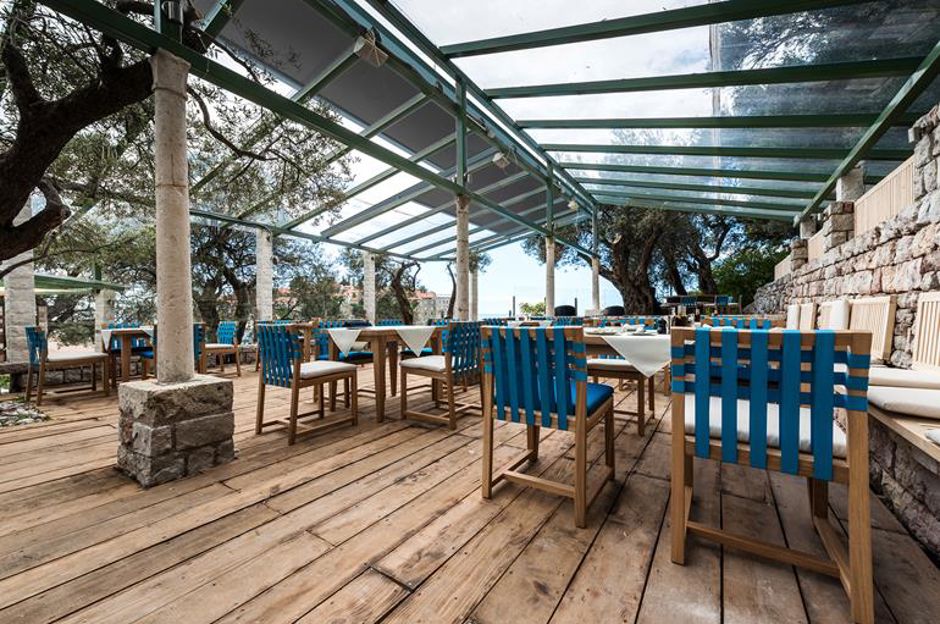
The most important thing you should not underestimate when it comes to your sunroom is the glass roof. It is quite common that people shade the side walls in hopes that the temperature will drop significantly. But during the hot summer, a large portion of energy continues to penetrate from above. That is why there are systems available especially for the glass roofs. They are not intended to just cast a shadow, but primarily minimise the amount of heat that gets inside.
One of the most efficient solutions on the market is the Veranda HRV80-ZIP shading system, developed specifically for installation above sunrooms and pergolas. Its main advantage is that it blocks the sun’s rays before they have a chance to hit the glass surfaces. Moreover, there is a sufficient space between the glass and the fabric to allow air circulation. This way, heat does not accumulate under the roof, as it ventilates naturally.
This system will manage even large surfaces, because it allows coupling up to four roller shutters. The whole structure is made of high-quality, corrosion-resistant materials and will withstand strong winds thanks to Class 3 wind resistance. With Veranda, you can create a pleasant ambience inside even during the hottest summer days.
Materials and fabrics
At first glance, you might think all the solutions look the same, but the fabric makes all the difference. Modern materials often combine several important properties.
When making a choice, pay attention mainly to the following:
- Heat-reflective properties,
- Light transmittance,
- UV-resistance,
- Weather resistance,
- Preserving the view of the garden.
In general, lighter-coloured fabrics reflect more solar energy, while denser materials provide a higher level of shading. If your main priority is a nice view of the outside, it is suitable to find a balance between light transmittance and heat protection.
SOLTIS screen fabrics are a good example, as they were designed for maximum protection from sunlight and heat penetration without limiting the natural light in the interior. They are made of high-strength polyester fibres with surface treatment by PVC, made using the two-way prestressing technology.
This ensures their long-term shape stability with everyday use. Their strengths also include excellent UV stability, thanks to which the colours retain their vibrancy for years, and certified fire resistance.
Automation
Shading needs to be addressed well before the hot season begins and everyone is surprised that they cannot stay in the sunroom for more than a few minutes. It is therefore a good idea to invest in automation, so you do not have to worry about when to close or open the shading elements. Automatic systems independently react to outdoor conditions, and no action is required on your part.
The best solution? Consult your ideas with ISOTRA
Begin by assessing your sunroom in detail. Determine at what time of day the sun shines most intensely on it, what part suffers the most from overheating, and whether you prefer radical reduction in temperature, or preserving the view of the outside.
Once you have figured it out, do not hesitate to contact our specialists in ISOTRA. Together, we will discuss your needs and find a solution that will be a perfect fit for your sunroom. We will guide you through various materials and technological solutions, so that you invest precisely in what makes sense.
The right choice of shading will breathe new life into your sunroom. The interior will have a comfortable atmosphere, your green oasis will be protected against scorching, you will be able to enjoy your cup of coffee in a pleasant, cool setting all summer long.