

Big Spring Clean: Process and Strategy
We previously brought you a guide to thorough pre-Christmas cleaning. Spring cleaning is quite similar.
Start from the top and work your way down. Remove cobwebs, dust the tops of cabinets and door frames, and clean light fixtures. Wash curtains and drapes, or clean shading systems if needed. Horizontal blinds usually need to be cleaned slat by slat, while roller blinds or pleated blinds are typically dusted through regular use and may not require thorough cleaning.

You can read how to clean horizontal blinds in this article.
Check the paintwork, clean light switches, wash doors and handles. You can flip mattresses and replace duvets with lighter summer ones. Finally, vacuum and mop the floors-preferably the old-fashioned way on your knees with a cloth, so you can really reach all corners and gaps.
Window Washing
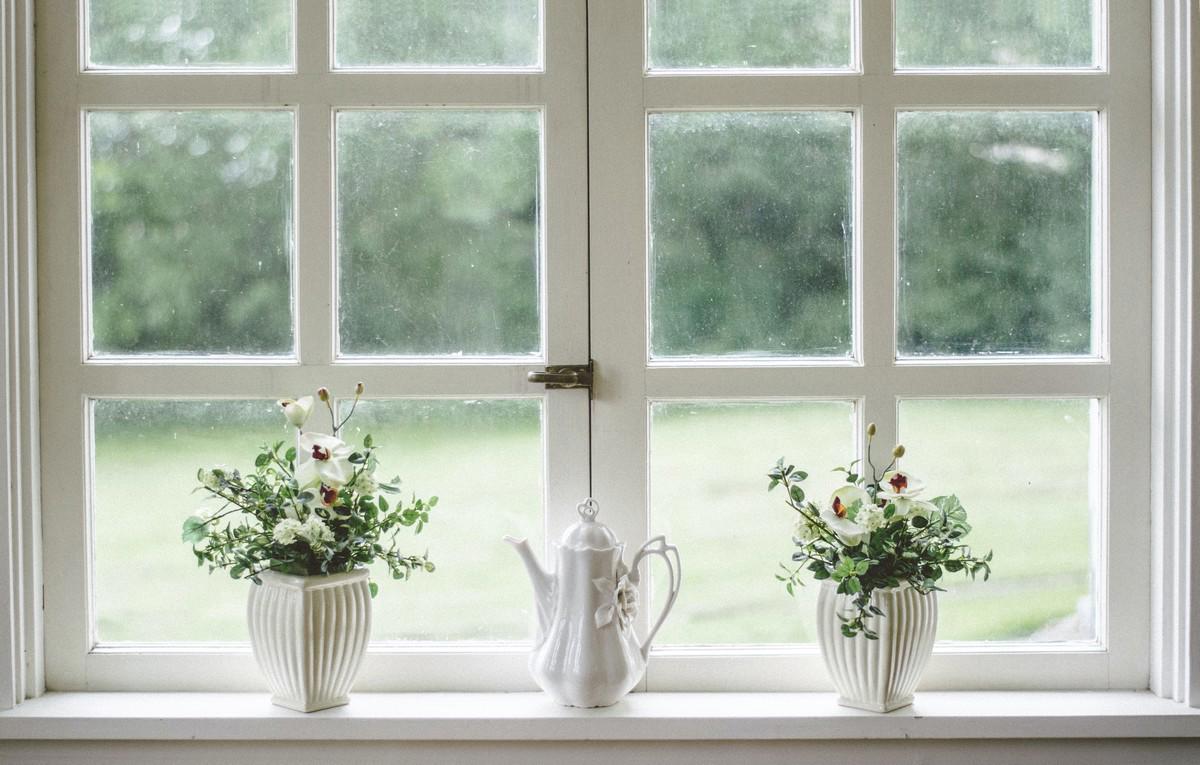
Don’t forget to wash the windows-even if you’ve already done it this year. It’s currently conifer pollen season, and almost every window is covered in yellow specks. If warm weather continues, spruce trees may keep pollinating until June. If it rains, that’s the perfect time to clean windows. In our article, you can find a detailed guide; in short: clean at an outdoor temperature of 10–20°C (50–68°F), ideally when it’s cloudy. Start with the frames, then wet the glass and wipe it with a squeegee or window vacuum. Finish by polishing with a clean microfiber cloth.
Bathroom and Kitchen
These rooms require a bit more effort. In the bathroom, check what needs to be treated for limescale, rust, or mold, and use appropriate cleaning products.
In the kitchen, clean the oven and other appliances, organize the pantry and fridge, and if possible, take everything out of shelves and drawers, wash them, and sort out unused items.
Spring Garden Cleanup
After the St. John’s growth period (late June or early July), trim evergreen shrubs in hedges. The rule is that the top of the hedge should be narrower than the base, so cut at a slight angle.
At the end of flowering or just after, prune stone fruit trees—this helps wounds heal better and prevents sap bleeding. You can aerate the lawn with a verticutter or at least with a rake.
Garden waste can be shredded and either composted, burned in a fireplace, or used as mulch for flower beds.
Have you checked your pergola after winter? Bioclimatic pergolas require minimal maintenance, but you should still check, for example, whether leaves or twigs have fallen into drainage channels.