Care cycle: from winterization to spring inspection
Spring preparation does not start with the March sun. It follows on from the autumn winterization, which determines the condition of the structure after winter. If the joints were checked, structure cleaned, movable elements secured and any surface treatment carried out before the frosts, the spring service is more of a check of the condition than a solution to the problems that have arisen.
Proper winterization minimizes the risk of damage from moisture, frost or long-term loads. For pergolas with movable slats or integrated shading, it is important to ensure their correct position and functionality before winter. We have described the detailed procedure in a separate article on winterization of a pergola.
A regular rhythm of autumn protection and spring inspection is what extends life of the structure in the long term and protects your investment.
Thorough cleaning as a new start to the forthcoming season
The first truly spring step is a thorough cleaning of the entire structure and the terrace floor. During winter, dust, leaf debris, moisture and fine dirt from the air settle on the structure. With the first warmer days, floating pollen easily gets caught on surfaces. These deposits can retain moisture and gradually affect the surface finish of materials.
Wash the structure with water and mild detergent and a soft brush or cloth. Avoid aggressive chemicals and high-pressure cleaning in the immediate vicinity, which could damage the protective layer of the surface. Pay special attention to joints, drainage areas and less accessible areas where dirt can accumulate.
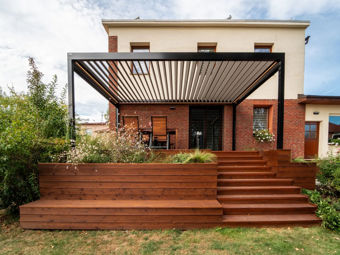
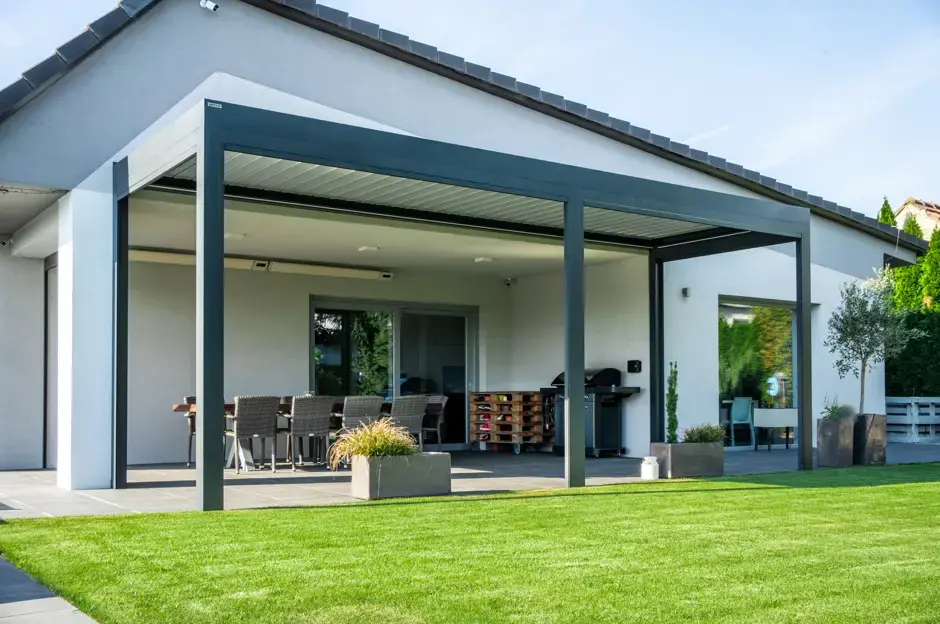
For pergolas with movable slats, check that the mechanism opens and closes smoothly. If the pergola has integrated shading, it is advisable to completely unfold it before the season and check its condition.
Checking materials and construction
After cleaning, the materials and structural elements themselves are inspected. Focus on joints, anchorages and fastening elements. Minor loosening or surface damage should be addressed immediately before it worsens during the season.
ISOTRA aluminium pergolas are designed with an emphasis on long life and resistance to weather conditions, but a visual inspection is still worthwhile. For wooden structures, check the condition of the paint - if the surface is grey or cracked, it is advisable to sand it lightly and re-treat it with a protective coating before the onset of intense sunlight.
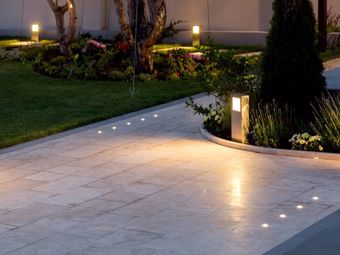
The terrace floor deserves the same attention. Wood can gradually lose its protective layer, WPC materials may require thorough washing and checking of joints. Within stone or ceramic surfaces, it is important to clean the joints and remove any moss or algae that may have formed during the humid months.
Functionality of shading and ambience comfort
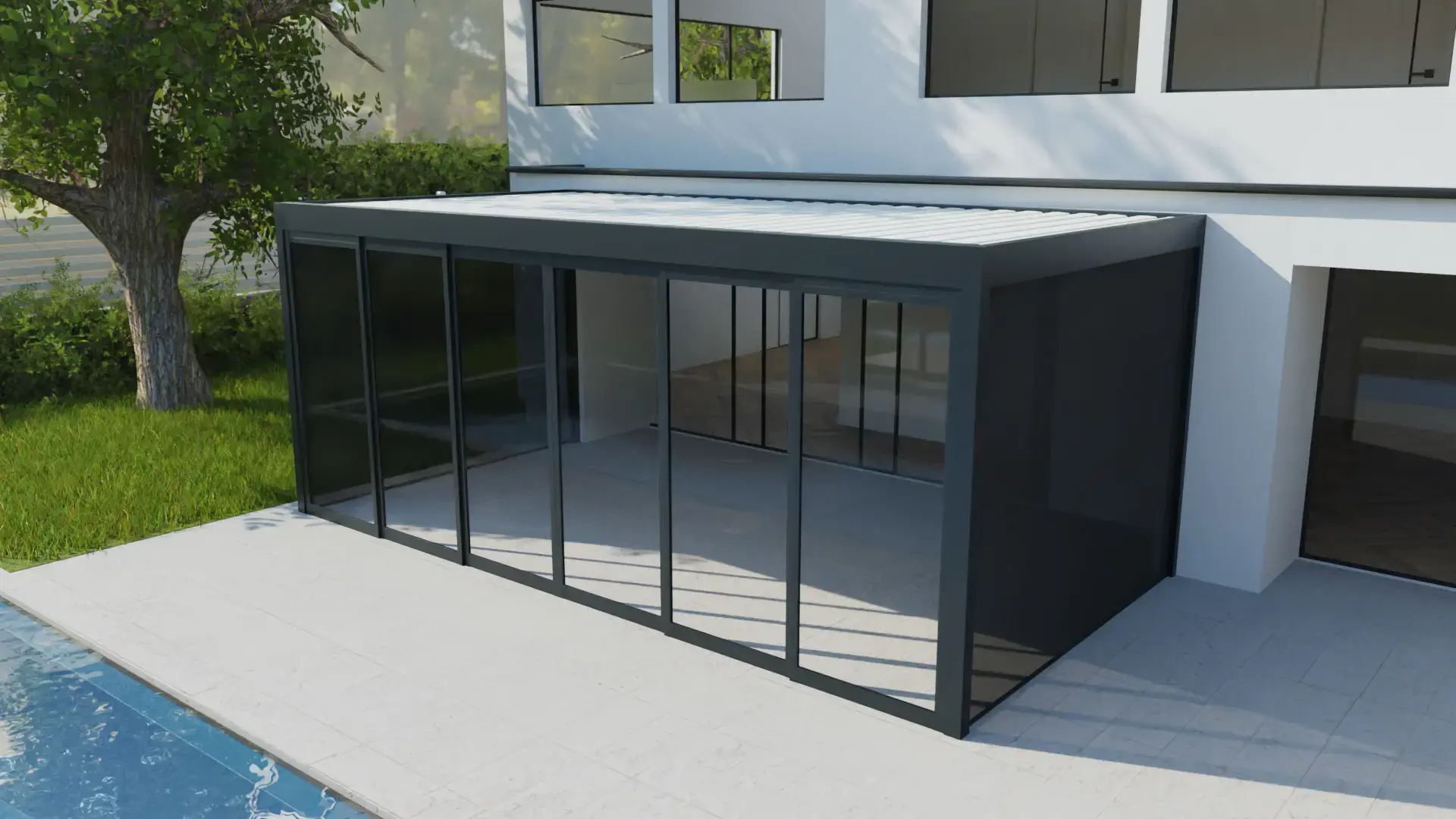
With the arrival of spring, the intensity of sunlight changes rapidly. What is pleasant in March may be too harsh in May. Therefore, it is advisable to check the functionality of the shading elements before the season - whether they are screen roller shutters or side systems.
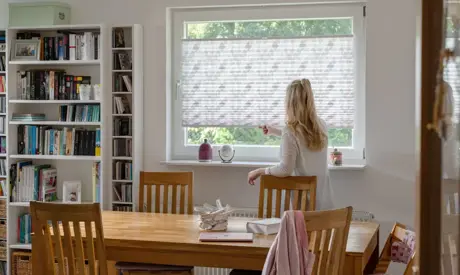
Check smoothness of operation and response of control. If you notice an unusual sound, engine slowdown or uneven movement, it is better to deal with the situation in time. Preventive service before the main season is usually easier and faster than solving defects in the middle of summer.
High-quality shading does not only fulfil an aesthetic function. It helps regulate the temperature, reduces glare, protects furniture from UV radiation and increases comfort in windy conditions. Thanks to this, the pergola can become a full-fledged outdoor living space that you can use from the first days of spring until autumn.
Enhance your space and start using it to the fullest
Technical preparation is crucial. However, only the details will turn the pergola and terrace into a real outdoor living space.
Spring is the ideal time for small improvements that will increase the comfort and aesthetic value of the entire space. Check the condition of garden furniture, clean the structures of tables and chairs and wash or replace the textiles with new ones. Fresh cushions, outdoor rugs or discreet lighting can significantly revive the space.
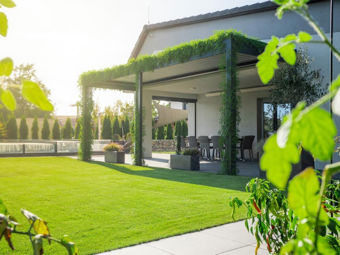
Consider adding greenery as well. Flower pots with herbs, ornamental grasses or climbing plants will give the terrace a natural look and a sense of privacy. If the pergola is equipped with shading elements, you can use them to regulate light and create a pleasant climate even during hot days.
Well-prepared pergola is a place where the day begins and where the evening slows down. Spring preparation is an opportunity to consciously "take back" this space and start using it to the fullest.
Quick checklist: Spring preparation of pergolas and terraces
- Follow up on the autumn wintering and check the overall condition of the structure
- Clean the pergola and terrace floor from winter dirt
- Check the joints, anchorages and condition of the surface treatment
- Treat wooden elements or renew the protective layer of the floor
- Test functionality of shading systems and controls
- Prepare furniture and accessories for the new season
Care that makes sense
Spring preparation of terraces and pergolas is not just a question of aesthetics. Regular maintenance extends the life of the structure, minimizes the risk of failures and preserves the value of the investment. If your house is equipped with a quality system, proper care will ensure that it will serve you for a long time and without worries. A few hours of systematic attention are all it takes and spring can begin.