How to Prepare for Window Replacement
You need a building permit for window replacement if the new windows are larger or smaller than the original ones, as this means you are interfering with the structure of the building. If you own a family house, you can simply replace the windows—either with a permit, if required, or without one. In apartments, however, the situation is more complicated. In apartment buildings divided into units before January 1, 2014, the windows are part of the unit, so their replacement is the responsibility of the owner—either the direct owner or the housing cooperative, in the case of a cooperative apartment. On the other hand, in buildings divided into units from 2014 onwards, windows are considered a common part of the building, and decisions about them are made by the homeowners’ association.

You’ve reached an agreement with the cooperative or the homeowners’ association, or you own a standalone property and have decided to replace the windows. We definitely do not recommend doing this yourself, mainly because the warranty is tied to professional installation. It’s better to arrange the work with a specialized company. First, a technician will come to measure the windows and discuss the type of frames and glazing with you. If you live on the ground floor or your windows are easily accessible from the outside, consider additional security options (typically applying a security film against glass breakage, window locks, and hinge protection).
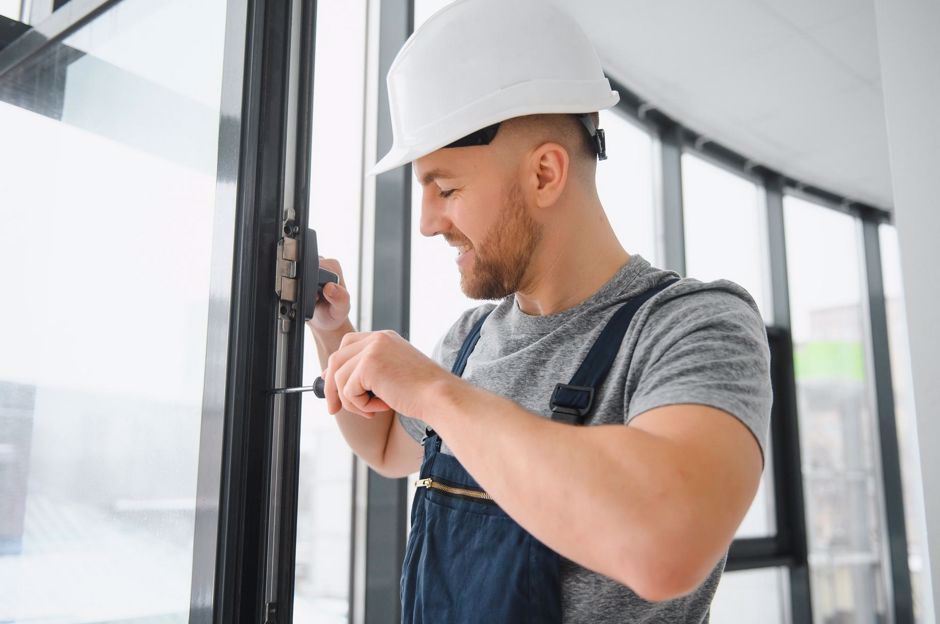
The second step is the arrival of the installers, who will remove the old windows and install the new ones within a single day. You need to clear the area around the windows and adjacent walls to give them enough space to work. Cover the rest of the room with painter’s sheets or similar protective materials.
What to Do After Window Replacement
You will definitely need to clean up. Even though the installation company will take away the old windows, there will be a lot of dust everywhere. If repainting is necessary, you will need to wait a few days for the masonry finishing to dry. It’s also a good idea to clean the dusty windows after installation.

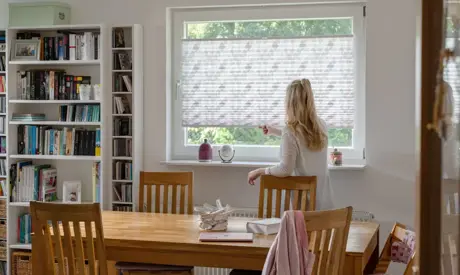
You should also think in advance about how to shade your new windows. Curtain rods can be reinstalled, but if you had horizontal blinds or roller blinds on the old windows, you’ll need to get new ones. While the windows are being removed, ask whether it’s possible to install external blinds or shutters at the same time. Also consider installing insect screens so you can take care of everything at once.