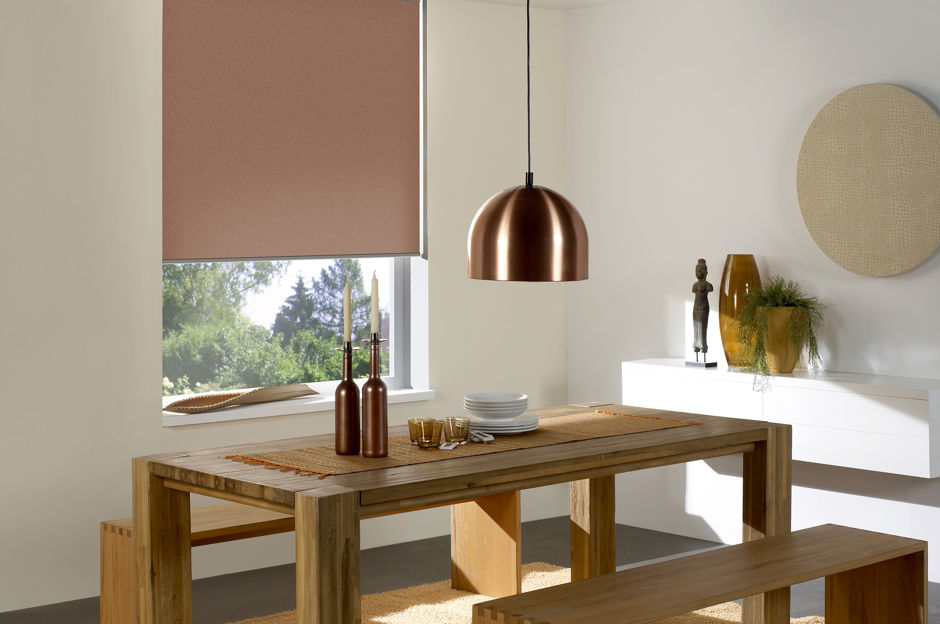
Housing is increasingly characterized by peace, functionality and thoughtful details. Shading technology is gaining a more important role in this context than before. It is no longer just an accessory to windows, but a tool that influences everyday functioning of the household.
1. Prevention of overheating as a part of house design
One of the strongest trends that will continue to be noticeable in 2026 is the effort to address the temperature stability of the interior already at the design stage. Instead of additional cooling, people are increasingly considering how to prevent overheating from entering at all.
Exterior blinds, roller shutters and screen roller shutters will therefore appear more often not only in new buildings, but also in well-thought-out renovations. They allow you to regulate solar radiation before entering the interior and contribute to more balanced temperature conditions throughout the day. This approach supports not only energy efficiency, but also the overall stability of the indoor environment.
2. Shading keeping up with smart home
Smart home is one of the trends that is gradually settling into ordinary households, and shading is a logical follow-up to it. In 2026, it can be expected that smart control of roller shutters and blinds will be an increasingly common part of modern housing, and not only in new buildings.
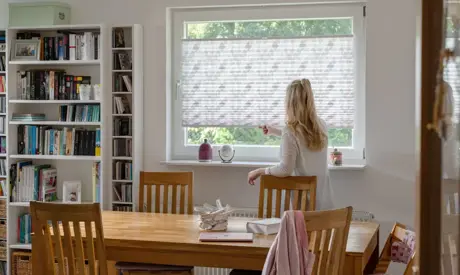
Other options have been increasingly being added to classic manual control - for example, control via an app, remote control or simple scenarios according to the time of day. Let in the light in the morning, soften it during the day, ensure privacy in the evening, with no need to deal with each draw separately.
More advanced solutions add the option of connecting to sensors, thanks to which the shading reacts to the sun or wind. This is not a mandatory standard, but a trend that shows where household control is moving. Technology is not there for effect, but as a practical tool that simplifies everyday functioning of the house.
3. Light as a key element of the interior
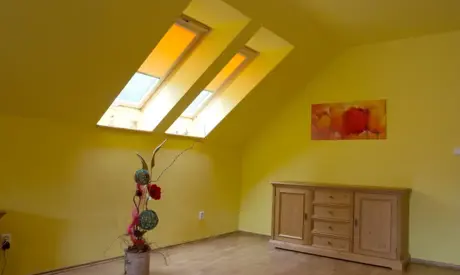
In 2026, it is increasingly clear that one of the most important elements of the interior is not furniture or wall colour, but light. How it changes during the day, where it comes from and how the space works with it, has a fundamental impact on how the interior feels.
In this context, shading becomes a tool that helps give a shape to light, not just block it. Instead of sharp contrasts, smooth regulation is sought - the ability to diffuse, soften or direct light according to current needs.
4. Inspiration from Japan: calmness, rhythm and light
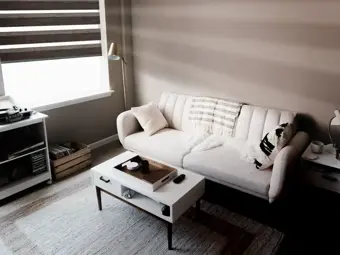
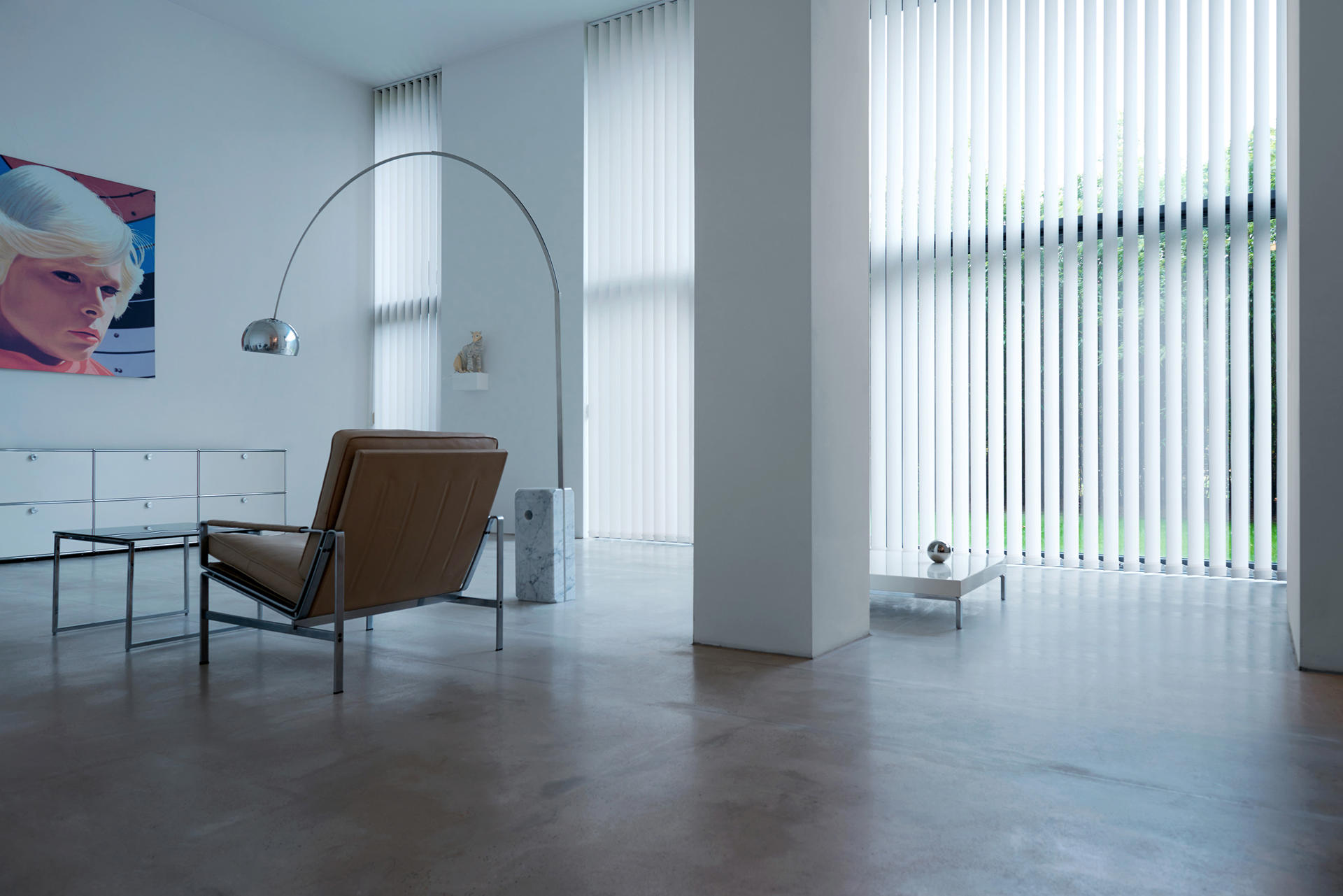
One of the distinctive style trends of 2026 is the combination of minimalism, natural materials and thoughtful work with light - often referred to as Japandi. And this is where Japanese roller shutters come to the fore, perfectly fitting into contemporary interiors.
Japanese roller shutters work as sliding textile panels that can not only shade but also divide the space. They are suitable for large glass surfaces, French windows or as an elegant separation of individual zones in the interior. They look light, airy and work naturally with light without darkening the room.
In 2026, Japanese roller shutters are not just a design element, but a practical solution for modern open housing.
5. Natural colours, durable materials and long life
In 2026, colour trends and materials meet at one common point: naturalness. Earthy shades, warm grey, sand and beige tones dominate, which support the timeless character of the interior. In the exterior, there is often a contrast between light facade and dark shading, most often in anthracite.
At the same time, there is a growing emphasis on quality and long life. Households are looking for shading that can withstand the sun, wind and time. Recyclable materials, high-quality fabrics and possibility of servicing play an increasingly important role in the choice. The trend is not quick replacement, but investment in solutions that will last for years.
Conclusion: 2026 belongs to well-thought-out housing
Trends in shading and housing for 2026 show a clear direction: less unnecessary things, more peace, smart technologies and an emphasis on quality. Shading is becoming a key tool for comfortable living – it helps regulate light, temperature and atmosphere of the home.
Whether you are attracted to minimalist screens, smart exterior blinds or elegant Japanese roller shutters, one thing is certain: modern housing in 2026 is based on details that make sense every day.