How shading technology affects energy efficiency
1. Reducing temperature peaks
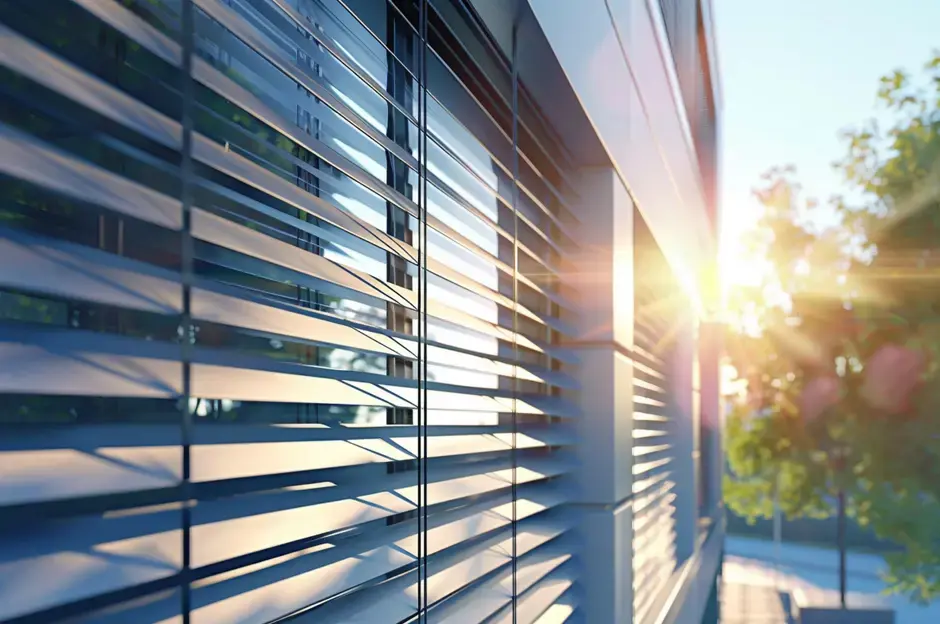
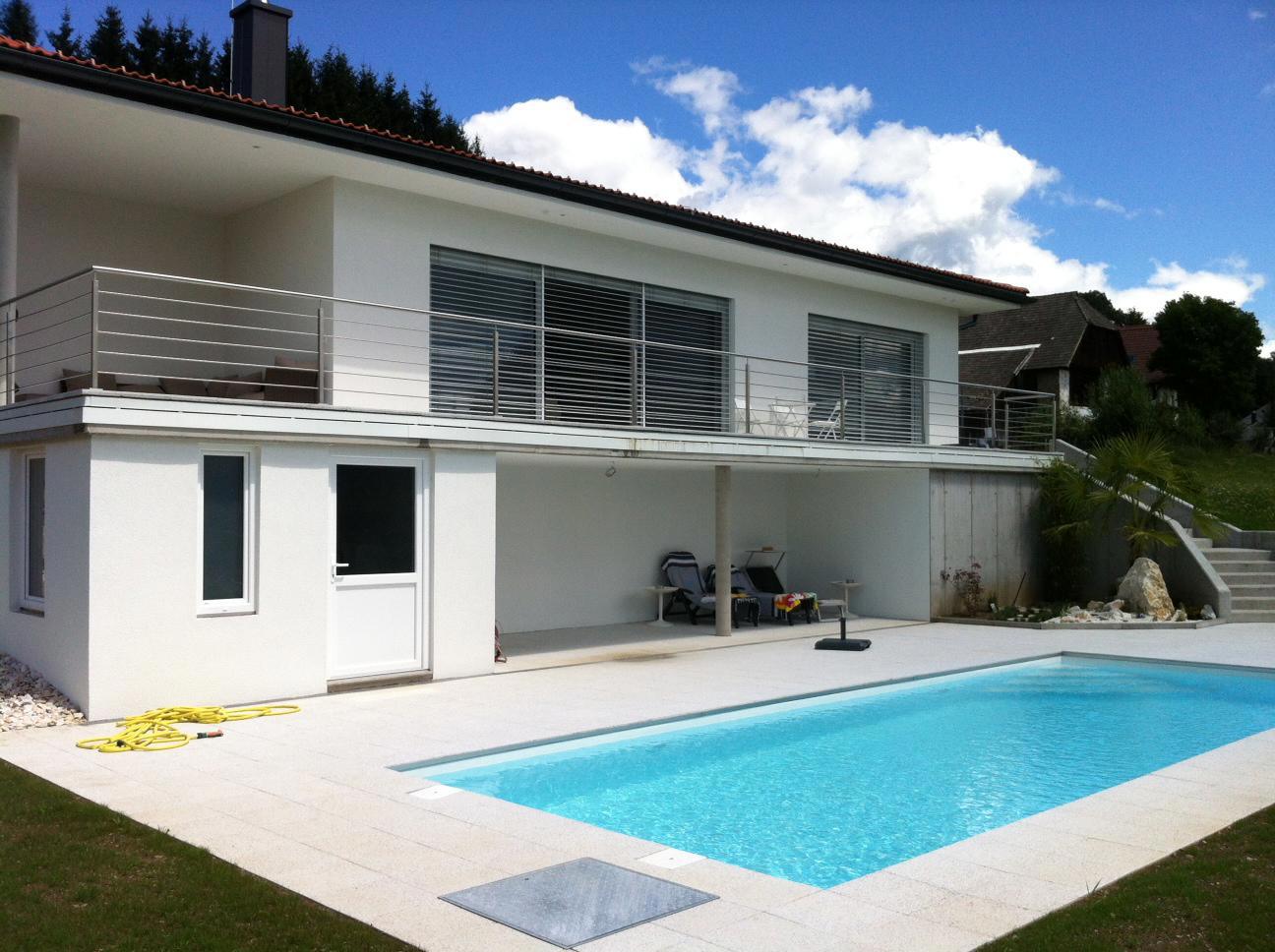
During the summer months, intense solar radiation can cause a significant increase in temperature inside buildings. Shading technology can effectively block direct sunlight, significantly reducing the need for cooling and therefore the energy consumption for air conditioning. External blinds and shutters are particularly effective because they stop the sun's rays before they reach the glass surfaces, thus preventing the greenhouse effect.
2. Insulation properties
During the winter months, shading technology can help keep the heat inside. The materials used in shading systems often have good insulation properties, which help to minimize heat loss. This reduces the need for additional heating and therefore the energy consumption associated with heating.
3. Automatic shading systems
Modern shading technology can be equipped with sensors that automatically adjust the position of blinds or shutters based on current lighting and temperature conditions. This intelligent system ensures optimal use of natural light and minimizes the need for artificial lighting, leading to further energy savings.
Case studies on reducing consumption through shading technology
Studies conducted in various countries have shown that installing shading technology can significantly reduce energy consumption. For example, in office buildings, it has been found that automated exterior blinds can reduce cooling energy consumption by up to 25%.
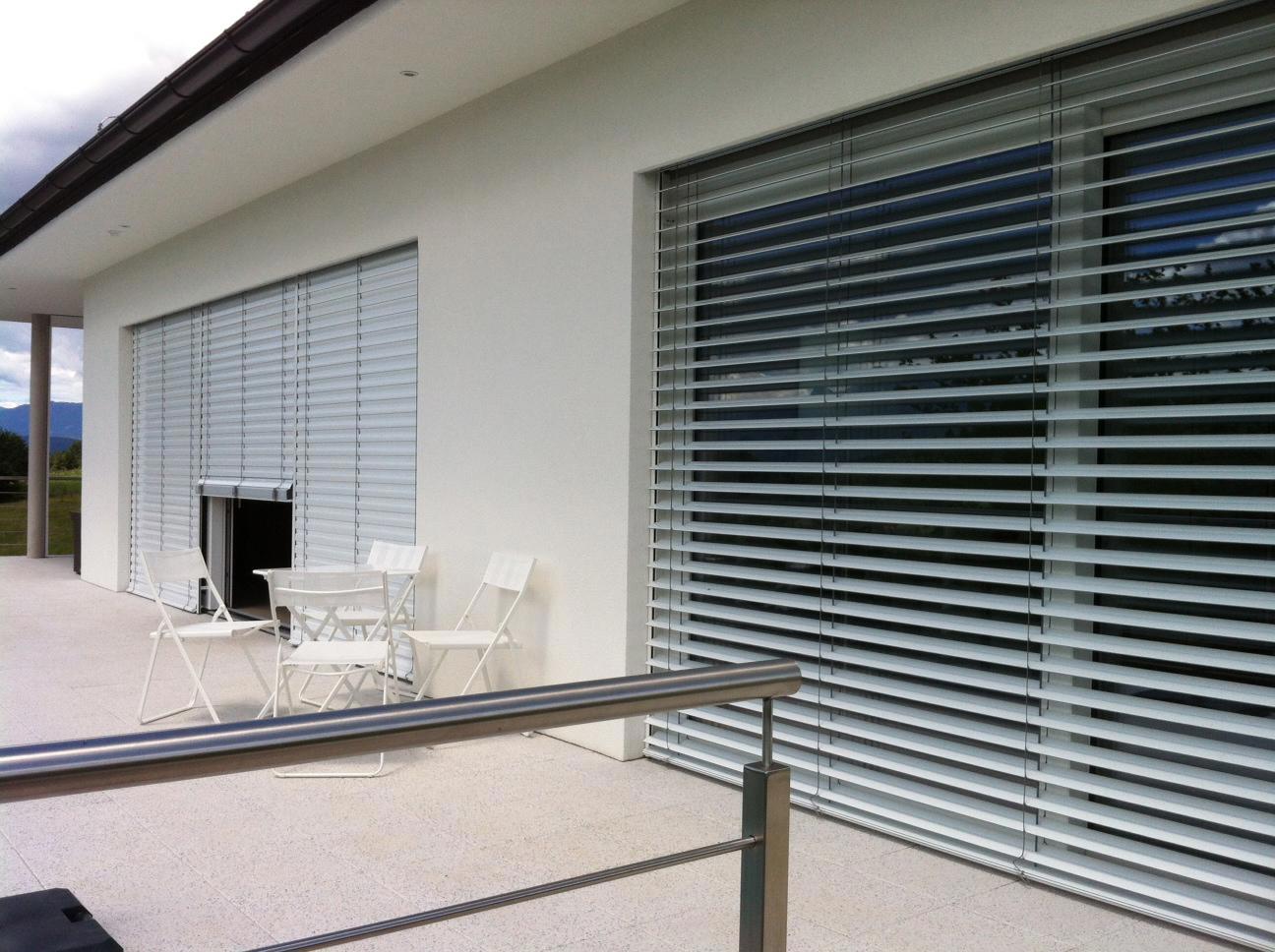
Environmental and financial benefits of shading
Investing in shading technology not only quickly pays for itself through energy savings, but also contributes to reducing CO2 emissions. For this reason, shading technology is often included in the designs of "green" buildings that meet standards for sustainable architecture.
Energy Efficiency
Energy efficiency is not just about replacing old appliances with new, energy-efficient models. It is also about implementing effective shading systems that help regulate indoor climate and reduce dependence on artificial cooling and heating. In an era when every energy saving is sensitive for both our wallets and the planet, shading technology is one of the key components of energy efficiency in modern homes and offices.