Preparing a pergola for winter
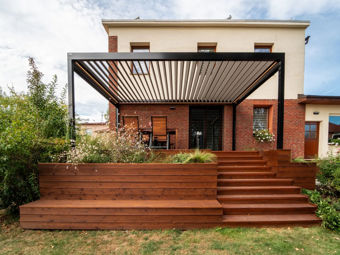
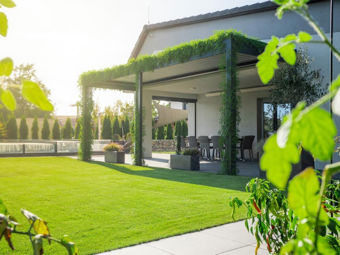
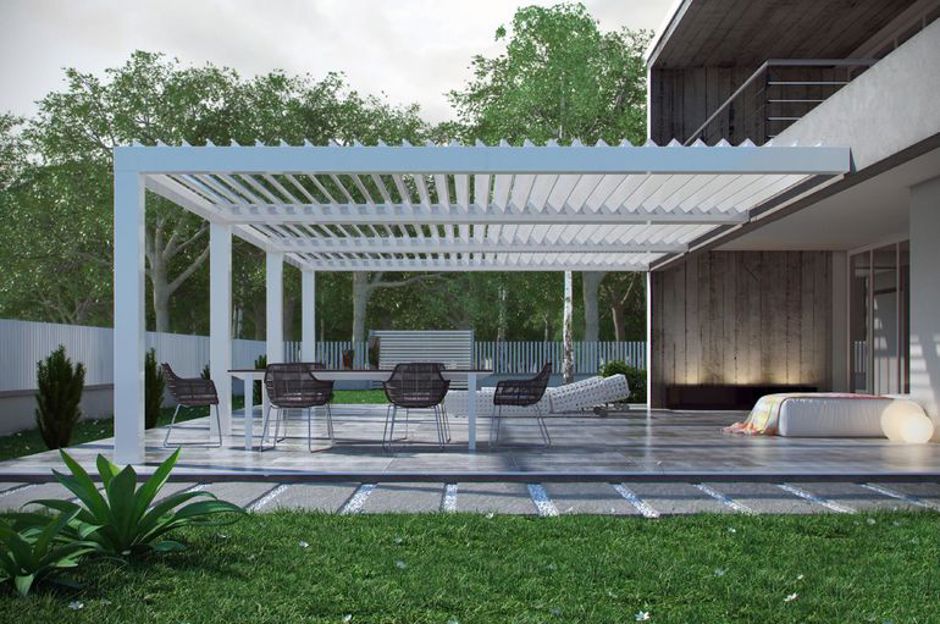
We have already taken care of the balcony and the kitchen garden, but we should pay attention to the pergola before winter as well. Good news to start with: the aluminium pergola is virtually maintenance-free, so for instance, the owners of ISOTRA pergolas can provide the pergola structure only with basic care.
The aluminium pergola maintenance before winter:
- treat the rubber seal of the slats with specifically designed detergents
- remove (and continuously remove during the winter) coarse dirt, such as branches falling onto the roofed area
- clean the drainage channels from leaves so that they do not clog (again, it is necessary to check them occasionally during the winter)
- if necessary, brush or wash the pergola structure with a gentle cleaning agent – do not use aggressive detergents (organic thinners, solvents, cleaning pastes, sand and strong alkaline cleaning agents)
- set the slats to 90 ° position preventing them from getting frozen or damaged by snow
- completely pull up any side walls, roller shutters, sliding roof or other fabric elements
And in addition to the structure itself? Be sure to remove or cover the garden furniture. For plants, proceed in the same way as in the garden or on the balcony – those that would not survive the frosts outside, move them to a covered but unheated room, where they can wait out the cold season with limited watering.
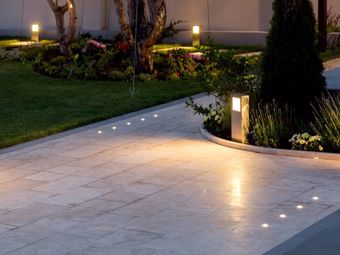
Make sure that there are no appliances plugged into the socket under the pergola, and store all metal or tin containers and accessories so that they do not rust over the winter. On the other hand, you can leave a snow shovel in the pergola so that it is at hand in winter. We treat the pergola floor according to its material: stone, concrete or tiles are simply rinsed with a stream of water from a hose, we clean the wood-plastic floor by sweeping in the direction of planks and washing with soapy water. The wooden floor requires impregnation with a special oil.
Pergola tarps – how to prepare a wooden pergola for winter
Wood is a material being subject to weather conditions, so wooden pergolas also need to be either specially treated or covered with a tarpaulin before winter. One way to protect the wooden structure is pressure impregnation, unfortunately changing the colour of the wood (green patina with white gritty texture on the surface) and this unintended side effect can only be covered with dark shades of paint. Alternatively, the pergola can be painted with a thin layer of wood stain or varnish, but this is only possible with most products at temperatures up to approximately 8–10 °C.
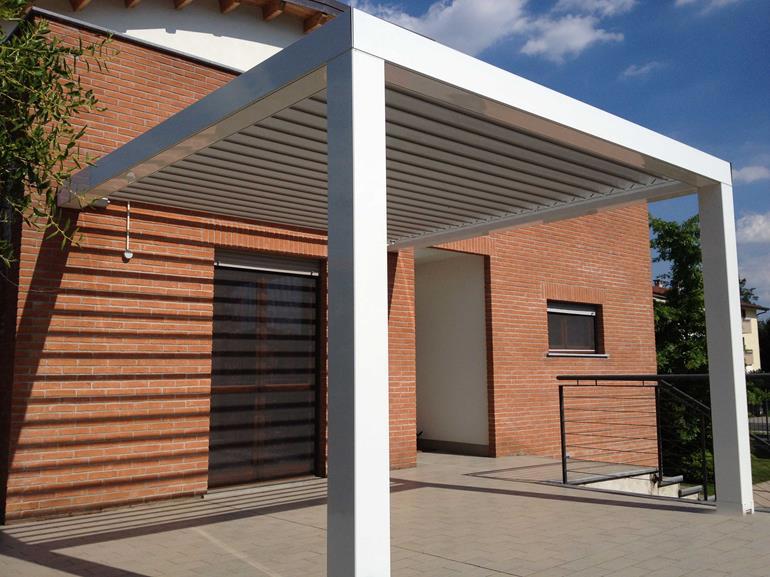
Tarps for wooden pergolas partially protect their structure from the weather effects and slightly extend the season when the pergola can be used. However, they usually do not look very aesthetic. If your wooden pergola is reaching the end of its service life or you are still deciding which one to buy in the spring, consider the aluminium structure - we also wrote about the ARTOSI or LUKA pergolas on our blog.